Top articlesSee all...

A Comprehensive Guide to Dog Exercise

How To Crate train An Older Dog - A Comprehensive Guide

How To Socialize A Dog - A Comprehensive Guide

Leash Training: A Guide to Training Your Dog to Walk on a Leash

Skijoring: A Guide to Skijoring with Dogs

The Best Dog Enrichment Toys

The Best United States Dog Parks

The Best Indoor Dog Parks in the United States

The Best Off-Leash Dog Parks in the United States
Top articles
A Comprehensive Guide to Dog Exercise
How To Crate train An Older Dog - A Comprehensive Guide
How To Socialize A Dog - A Comprehensive Guide
Leash Training: A Guide to Training Your Dog to Walk on a Leash
Skijoring: A Guide to Skijoring with Dogs
The Best Dog Enrichment Toys
The Best United States Dog Parks
The Best Indoor Dog Parks in the United States
The Best Off-Leash Dog Parks in the United States
See all...Explore the Australian Shepherd: Genuine Tips from 9,000+ Owners

/fit-in/0x450/wp-content/uploads/2024/07/Screen-Shot-2024-07-25-at-3.39.43-PM.png)
Discover the Australian Shepherd, a breed celebrated for its trainable, playful, and affectionate nature. Considered a medium dog, Australian Shepherds were originally bred in the United States for herding beginning in the 1950s.
In this post, we share insights from almost 10,000 Sniffspot users, offering practical advice for new and prospective Australian Shepherd owners. Whether you’re considering owning or rescuing an Australian Shepherd yourself or already have one, you'll find valuable tips on how to care for and enjoy life with a trainable Australian Shepherd.
As Sniffspot user Patrick says, "She’s my best friend and is so in sync with me. I don’t recommend Aussies to beginners, but for people who can handle their exercise needs, intelligence, and attitude, they’re amazing. I feel like we communicate effortlessly and she’s always there for me."

Source: Sniffspot Community Breed Survey 2024
Australian Shepherd Quick Characteristics
- Breed Type: Herding
- Size: Medium
- Life Expectancy: 12 - 15 years
- Healthy Weight Range: 40 - 65 lbs
- Height Range: 18 -23 in
- Temperament: Trainable, Playful, Affectionate
- Coat Type: Double
- Color: Blue merle, red merle, black, and red
About Australian Shepherds
According to 337 Sniffspot community users who shared real-world data about their Australian Shepherd, we learned these dogs are trainable, playful, and affectionate. The Australian Shepherd is very friendly and social with strangers and very friendly and social with children.
When living with an Australian Shepherd, 79% of our owners said a large house with a fenced yard is the best environment for Aussies. Additionally, 50% of owners said a rural or suburban area with open spaces is also acceptable.
This dog is highly trainable, learns commands quickly, and responds well to training. Owners also say the Australian Shepherd learns best with positive reinforcement (treats, praise, rewards), consistent daily training routines, and socialization with other dogs and people.
When it comes to exercise, 51% of Sniffspot owners say their Australian Shepherd benefits from moderate amounts of exercise, like regular walks and play sessions. The Sniffspot Australian Shepherd community would not recommend this dog breed to first-time dog owners.
History and Origin of Australian Shepherds
The Australian Shepherd's ancestry is complex, with potential influences from the Carea Leonés, a Spanish sheepdog, and British herding dogs brought to America in the 1800s. While the exact origins are unclear, the breed's development was shaped by the influx of sheep and shepherds during the California Gold Rush and the Civil War. Sheep and herding dogs from both the British Isles and Australia contributed to the breed's formation.
Although the name "Australian Shepherd" emerged from American observations, the breed's genetic roots lie in British herding dogs. A 2017 study confirmed the Australian Shepherd's connection to the UK Rural clade, including Collies and Shetland Sheepdogs, with shared traits like the MDR1 mutation and Collie eye anomaly. Some speculate that German herding dogs and Basque immigrants also played roles in shaping the breed.
Today, the Australian Shepherd remains a popular, versatile breed known for its herding abilities and high energy. Despite its mixed heritage, it has evolved from its origins to become a beloved companion in the U.S.
Australian Shepherd Traits and Characteristics
We compiled almost 10,000 total Sniffspot total community submissions on their own dog breeds to determine these Australian Shepherd dog traits and characteristics.
- Temperament: Trainable, Playful, Affectionate,
- Energy Level: Moderate
- Trainability: Highly trainable
- Grooming needs: Moderate maintenance
- Good with Kids: Very friendly and social with children
- Good with Other Pets: Very friendly with other pets
What to Expect as an Australian Shepherd Dog Owner
As an Australian Shepherd owner, it's important to know the best dog breed tips as well as expectations from current Australian Shepherd owners.

Source: Sniffspot Community Breed Research 2024
Grooming Needs | Moderate Maintenance
Australian Shepherd dogs require moderate maintenance grooming. This means Australian Shepherd owners should expect regular brushing and periodic baths. Australian Shepherd dogs have a double coat, ideal for insulation and protection. Their double coat is considered high shed.
To keep your Australian Shepherd's coat healthy and up to breed standards, brush their coats regularly to manage shedding and prevent mats. Of the coat types for common breeds in the herding group, the coat grooming needs for Australian Shepherds are considered moderate maintenance.
Exercise Needs | Moderate
Australian Shepherds require moderate activity each day. Though one of the most popular dog breeds, Aussies are considered a very athletic, high-energy breed.
Aussies make great pets, and they thrive with between 1-2 hours of activity each day, including walks and active play sessions. Owners of Aussies report their dogs especially love chasing/playing with a ball or frisbee, playing with squeaky toys, and tug-of-war.
When medium breeds like Aussies don't get sufficient exercise, they're more likely to act out on undesirable behaviors. They need consistent training, mental activity, and regular moderate exercise to avoid excess energy.
Diet and Nutrition
What should you feed your Australian Shepherd to keep him healthy? As a Moderate energy breed, what you feed them is important. A reported 66% of our community feed their Aussie commercial dry kibble.
With moderate exercise, Aussies should eat 2 to 3 cups of vet-recommended food to maintain a healthy weight of around 40 - 65 lbs. However, your Australian Shepherd's ideal weight and food depend on your pet's sex, activity level, and age.
Breed Health Concerns
The Australian Shepherd breed is most prone to digestive issues (e.g., bloating, sensitive stomach) and skin conditions (e.g., allergies, dermatitis). A reported 28% of our Australian Shepherd owners reported digestive issues like constipation, diarrhea, vomiting, and lack of appetite. Aussie's risk for these challenges increase as they age.
Similarly, 22% reported skin conditions like allergies, yeast infections, impetigo, ringworm, alopecia, and folliculitis. Lastly, 20% of Australian Shepherd owners claim their dog struggles with joint problems like arthritis, elbow dysplasia, degenerative issues, and osteosarcoma — a common Aussie health concern. If you're worried about any of these health issues above, talk to your Aussie's vet.
How Friendly Are Australian Shepherds?
Another important thing to consider when adopting an Aussie is whether or not they fit with your current family. How friendly are Australian Shepherds compared to other medium-sized breeds?

Source: Sniffspot Community Breed Survey 2024
With consistent training, you can hone your Aussie's herding instinct into a friendly and loyal family dog. Introducing your pet to positive reinforcement (treats, praise, rewards) and consistent daily training routines early helps them avoid undesirable behaviors like overexcitement and herding tendencies. Our community Australian Shepherd owners comment on their pet's friendliness:
"Innate need to herd other animals in the home. They are friendly and loyal to the people they know but do not take well to new people or strangers." (ST)
"He is very reserved and protective of me and my wife + our house. It is difficult to get him acclimated to strangers and other dogs. He is insanely friendly though to his favorite inner circle." (DP)
How to Train an Australian Shepherd
Whether you're adopting an Aussie puppy or a grown Australian Shepherd adult, training is a large part of owning a medium breed. When you fail to train your Aussie properly, they're more likely to display undesirable behaviors like overexcitement, herding tendencies, and so on. Providing stimulating activities is a great first step, but this needs to be paired with the right training for your Aussie.
As a herding breed, Australian Shepherds benefit from praise and positive reinforcement. Here's what our Aussie community recommended based on their experience with their own dog:
- Positive Reinforcement (96%): This includes treats, praise, rewards, and so on for positive behavior.
- Consistent Routines (56%): A consistent training routine allows your pet to get comfortable with expectations.
- Socialization (42%): Socializing your dog with other pets, dogs, and people prepares them to interact with the world.
As dogs bred for herding, Aussies are considered highly trainable by all types of dog owners.

What Do Owners Love About Australian Shepherds?
We asked Sniffspot Aussie owners what they love the most about their Australian Shepherd pups, and here's what they had to say:
"They're incredibly smart, independent, and so animated and expressive." (Staci)
"Athletic, as long as you’re physically active they’re super fun and friendly dogs. And so soft!" (Leanne)
"They're always up for anything and stick to their person like glue. Very versatile in what you can train them to do." (Liliana)
What Are the Biggest Challenges for Australian Shepherd Owners?
Similarly, Aussie owners shared some of the biggest challenges of living with Australian Shepherds:
"Reactivity - my dog is reactive and when we went to do training, we discovered many of the other dogs there were other herding breeds if not also Aussies. They have such a high drive and are so loyal to their people that they are prone to reactivity, especially if not socialized when they’re young. In addition, she’s mellowed with age, but they are SUPER hyper puppies!" (Patrick)
"While our dog is incredibly clever, she's also independent and difficult to motivate to listen to us. Nothing is as exciting as running off to explore, no matter what kind of food we're holding and trying to tempt her with! She's clever enough to know what she prioritizes." (Staci)
"Sometimes protective as shepherds are bred to be, only at the fence though." (Leanne)
Is an Australian Shepherd Right for a First-Time Dog Owner?

Source: Sniffspot 2024 Community Dog Breed Survey
According to 74% of our Sniffspot community, Australian Shepherds are not a great first-time dog. This comes from their trainable nature and moderate exercise needs. Australian Shepherd owners say it best:
"Too smart for their own good sometimes, sensitive to movement and noise, high herding instinct needs to be met and directed properly" (Joy)
"Highly affectionate, trainable, willing and wanting to learn, incredibly loyal." (Cathleen)
"Their intelligence, loyalty/velcro attachment, and energy level can be a lot." (SH)
Advice for Australian Shepherd Owners
Luckily, our Sniffspot community is full of experienced, trustworthy Aussie owners. These Australian Shepherd breed owners share the most essential dog breed tips and advice for prospective or new dog owners:
Be prepared to meet Aussie's high energy level.
"Mental and physical exercise is important, Aussies like to have a job and use their brain." (Emily)
"Do your research! These dogs need mental enrichment, physical exercise, and training DAILY or you will face behavioral issues." (Kirby)
Give them an outlet for their herding instinct.
"My advice would be to utilize their herding instinct. Allow them to express it! It's amazing to watch their natural instinct and let them do what they were bred to do." (Grace)
"Don't try to get rid of the herding instinct, give them an outlet. For example, buy a herding ball for them to herd instead of letting them herd your smaller pets, you, or children." (Kayla)
Have enough space for them in your home/outside.
"Not a good fit for small spaces if they can't be out and moving or working." (Carrie)
"If you are living in a smaller apartment or urban area, or even a house with a yard be sure to exercise your dog and keep them engaged mentally every day outside of the home and yard. There should be at least one activity a day that will satisfy their need. Whether that be the dog park, agility course, play date, or puzzle." (MF)
Frequently Asked Questions about the Australian Shepherd
What is the average lifespan of an Australian Shepherd?
The average lifespan of an Australian Shepherd is typically between 12 - 15 years.
What is the size of an Australian Shepherd?
An adult Australian Shepherd weighs between 40 - 65 lbs pounds and stands between 18 -23 in tall.
How much grooming does an Australian Shepherd need?
Australian Shepherd dogs require moderate maintenance grooming. This means Australian Shepherd owners should expect regular brushing and periodic baths. Australian Shepherd dogs have a double coat, ideal for insulation and protection. Their double coat is considered high shed.
To keep your Australian Shepherd's coat healthy and up to breed standards, brush them regularly to manage shedding and prevent mats. Of the coat types for herding breeds, the coat grooming needs for Australian Shepherds is about average.
How much exercise does an Australian Shepherd need?
Australian Shepherds require moderate activity each day. Though one of the most popular dog breeds, Aussies are considered a moderately athletic, somewhat high-energy breed.
Aussies make great pets, and they thrive with between 1-2 hours of activity each day, including walks and active play sessions. Owners of Aussies report their dogs especially love chasing/playing with a ball or frisbee, playing with squeaky toys, and tug-of-war.
When medium breeds like Aussies don't get sufficient exercise, they're more likely to act out on undesirable behaviors. They need consistent training, mental activity, and regular exercise to avoid excess energy.
How friendly are Australian Shepherds with children?
According to our data, Australian Shepherds are very friendly and social with children.
How well do Australian Shepherds get along with other pets?
Our research shows that Australian Shepherds are very friendly with other pets with other pets.
What should you feed your Australian Shepherd to keep him healthy?
As a moderate energy breed, what you feed your Aussie is important. A reported 66% of our community feed their Aussie commercial dry kibble.
With moderate exercise, Aussies should eat 2 to 3 cups of vet-recommended food to maintain a healthy weight of around 40 - 65 lbs. However, your Australian Shepherd's ideal weight and food depend on your pet's sex, activity level, and age.
What health concerns are common for Australian Shepherds?
The Australian Shepherd breed is most prone to digestive issues like constipation, diarrhea, vomiting, and lack of appetite and skin conditions like allergies, yeast infections, impetigo, ringworm, alopecia, and folliculitis.
Resources for Australian Shepherd Owners
Whether you're a current Australian Shepherd dog owner or you're considering adopting an Aussie, Sniffspot is here to lend a helping hand. Here are some of the most relevant resources for Australian Shepherd owners.
- Australian Shepherd Club of America
- Most Popular Australian Shepherd Dog Names
- Best Australian Shepherd Dog Rescues and Shelters
Sources:


/fit-in/0x128/wp-content/uploads/2024/05/dog-friendly-airlines.jpg)
/fit-in/0x128/wp-content/uploads/2024/08/Untitled-design-46.png)
/fit-in/0x128/wp-content/uploads/2024/08/martin-dalsgaard-bnbukHzNcGs-unsplash.jpg)
/fit-in/0x128/wp-content/uploads/2020/07/shutterstock_330043559-1.jpg)
/fit-in/0x128/wp-content/uploads/2024/07/marcin-wojna-9ABvT7I1DsM-unsplash.jpg)
Most recent articles
/fit-in/0x256/wp-content/uploads/2024/05/dog-friendly-airlines.jpg)
/fit-in/0x256/wp-content/uploads/2024/08/Untitled-design-46.png)
/fit-in/0x256/wp-content/uploads/2024/08/martin-dalsgaard-bnbukHzNcGs-unsplash.jpg)
/fit-in/0x128/wp-content/uploads/2024/08/florencia-potter-yxmNWxi3wCo-unsplash.jpg)
/fit-in/0x256/wp-content/uploads/2024/08/florencia-potter-yxmNWxi3wCo-unsplash.jpg)
/fit-in/0x128/wp-content/uploads/2024/08/anita-peeples-5ylV-khwM9s-unsplash.jpg)
/fit-in/0x256/wp-content/uploads/2024/08/anita-peeples-5ylV-khwM9s-unsplash.jpg)
/fit-in/0x128/wp-content/uploads/2024/08/Screen-Shot-2024-08-21-at-11.21.47-AM.png)
/fit-in/0x256/wp-content/uploads/2024/08/Screen-Shot-2024-08-21-at-11.21.47-AM.png)
Related articles
Top dog guides per area
Dog training guides

How to Deal With Food Aggression in Dogs (Facts + Infographic)
Does your dog ever growl when you walk by their food dish? Maybe they get possessive of treats, carrying them far away and giving you side-eye when you start to approach — or snarling at your other pets or children if they get too close.

Comprehensive Guide to Scent Training for Dogs (Facts + Infographic)
As almost every dog owner is aware, the nose of a dog is an amazing thing. Just as they can pick up sounds we can’t hear, their sense of smell and ability to pick up scents is well beyond ours. In fact, dogs have 40 times the number of olfactory receptors as humans.

How Much Does it Cost to Train a Service Dog?
More than 80 million Americans rely on their service dogs to help them navigate the world. Task-trained assistance animals perform a huge range of life-changing—in many cases, life-saving—services: These dogs act as eyes for visually impaired handlers, provide mobility support, alert to seizures and blood sugar crashes, interrupt anxiety attacks, remind their people to take medications, and so much more.

What is and How to Handle Potty Training Regression
You thought your dog was house trained. Your home was clean from puddles of pee, those dreaded middle-of-the-night bathroom breaks were behind you, and you loved every minute of dog ownership… until your four-legged best friend started using the bathroom inside again. What’s going on?

Coprophagia: Why Does Your Dog Eat Poop?
Ah, poop. We humans think it’s disgusting… but many of our dogs seem to love the stuff. If you’re wondering why your canine companion tries to eat feces (either their own or that of other animals) you’re not alone!

How to Train a Rescue Dog: Shelter Dog Training
* All Sniffspot articles are reviewed by certified trainers for quality, please see bottom of article for details *
/354x256/wp-content/uploads/2020/08/bernese-mountain-dog-208092_1280.jpg)
/354x256/wp-content/uploads/2022/04/shutterstock_543831754.jpg)
/354x256/wp-content/uploads/2022/08/shutterstock_494495788-1.jpg)
/354x256/wp-content/uploads/2022/07/shutterstock_237584221-1.jpg)
/354x256/wp-content/uploads/2022/10/shutterstock_705844504.jpg)
/354x256/wp-content/uploads/2022/06/shutterstock_1295604073-1-1.jpg)
Dog enrichment guides

The Best Dog Water Parks in the United States
Do you have a water-loving dog looking to burn some energy? There are countless dog parks to visit throughout our country — but some of them become far too hot in the midday sun to be safe for your pets to play. That’s why we’ve put together a list of some of the best dog water parks throughout the United States! At these locations, your pup can frolic, splash, and swim to their heart’s content.

Best Toys for Herding Dogs
* All Sniffspot articles are reviewed by certified trainers for quality, please see bottom of article for details *

The Best Dog Toys for Aggressive Chewers (Facts + Infographic)
Does your dog destroy every toy you give them? Is your house littered with remnants of fabric and stuffing of all different sizes? Are you tired of investing in “indestructible” toys only for your pup to still dismantle—or worse, get bored of—them in just a few days?

Dog Exercise Calculator: How Much Exercise Does Your Dog Need?
You’ve been told your dog needs regular exercise. There’s a reason “walking the dog” is a classic daily activity: Frequent excursions give your pup a chance to experience the world, maintain a healthy weight, and — most importantly — spend time with you! Consistent physical activity can also improve their strength, muscle tone, coordination, and mental ability over time.

Complete Guide To Herding With Dogs
* All Sniffspot articles are reviewed by certified trainers for quality, please see bottom of article for details *

Comprehensive Guide to Enrichment Activities for Dogs
Dogs evolved in an open world. They could act naturally without unfair repercussions. They had space to run, interesting stimuli to sniff, and plenty of opportunities to move their bodies freely.
/354x256/wp-content/uploads/2023/04/dogwaterpark.png)
/354x256/wp-content/uploads/2022/05/shutterstock_174836186.jpg)
/354x256/wp-content/uploads/2023/02/shutterstock_1346929262.jpg)
/354x256/wp-content/uploads/2022/08/dogexercisecalculatorfeaturedimage.jpg)
/354x256/wp-content/uploads/2020/07/bb.jpg)
/354x256/wp-content/uploads/2022/07/shutterstock_1091009294.jpg)
Dog reactivity guides

Rottweiler Aggression: Signs, Causes, and How to Handle It
Many dogs have gotten a bad reputation over the years for being "dangerous breeds." Rottweilers are among them. Like pit bulls and other large, blocky-headed types of dogs, these powerful and beautiful animals are often assumed to be aggressive.

Dog Reactivity Chart: Understand and Fix Dog Reactivity
Your dog is reactive. They’ll see another dog, person, or other stimulus in the environment (like a car or bike) while out on a walk and suddenly go crazy at the end of their leash. The barking, lunging, and growling feels embarrassing for you — and it’s clear that your pup isn’t having a great time either.

How to Socialize Your Reactive Dog
Does your dog display reactivity to other pets or people? Maybe they’re a new rescue pup and are still settling into your home. Or they were sick growing up, so you missed their critical socialization period. Possibly they’ve had a bad experience after being raised as a normal puppy.

Definitive Guide: What is Dog Reactivity?
Do you have a reactive dog or suspect you may have one? You’re not alone!

The 9 Best Online Communities for Reactive Dog Parents
* All Sniffspot articles are reviewed by certified trainers for quality, please see bottom of article for details *

How To Groom a Reactive Dog
* All Sniffspot articles are reviewed by certified trainers for quality, please see bottom of article for details *
/354x256/wp-content/uploads/2023/05/Screen-Shot-2024-05-23-at-9.33.57-PM.png)
/354x256/wp-content/uploads/2022/08/dogreactivitychartfeaturedimage.jpg)
/354x256/wp-content/uploads/2022/08/shutterstock_523383649.jpg)
/354x256/wp-content/uploads/2020/07/a.jpg)
/354x256/wp-content/uploads/2022/01/shutterstock_796422001.jpg)
/354x256/wp-content/uploads/2020/07/shutterstock-641073763_orig.jpg)
Sniffspot community guides

The State of Public Dog Parks Across the United States
From 2009 to 2020, there was a 40 percent increase in the development of public dog parks. Designated spots for canine exercise have become commonplace in every major city in North America — many pet owners won’t even consider renting an apartment that doesn’t have its own fenced-in pet area for their canine companions.

How This Family is Affording Their Dream Property Through Renting it Hourly to Dogs
Thousand Oaks, California has been a safe haven for Sniffspot host, Jen, since childhood. Having grown up in busy Santa Barbara, Jen, an introvert from an early age, would seek out solitude and serenity away from tourists attractions and droves of people visiting from elsewhere. “My grandparents own 60 acres about a 30 minute drive from here, and I grew up spending every summer and every holiday visiting them on the ranch,” Jen explained. “In Santa Barbara, we wouldn't go to the beach on the weekend because that's where everybody was, so you'd find places off the beaten path where the tourists weren't. For me, the ranch was just my happy place.”

Host Tips: Ellen K. What Makes Sniffspot Successful for Me
Ellen is the host of Country Pasture Getaway, one of Sniffspot's most popular sniff spots. She has taken the time to write up the lessons she has learned about how to be a great sniff spot host.

How this Oregon Farmer is Making a Business From Renting Her Land to Dogs
Just 20 minutes outside of the busy city of Portland, Oregon, and settled right on the banks of the Columbia River, you’ll find what countless visitors have flocked to the area in search of – mountain views, crisp, clean air, and running water for miles. What you might not expect to find, however, is a hidden oasis designed just for dogs and their people, owned and operated by a farming couple and enjoyed by visitors on two legs, and four.

Host Tips: Fran T. Providing Great Guest Service at our Spot
Fran is the host of Ranch Setting, one of Sniffspot's most popular spots. She has taken the time to write up the lessons she has learned about how to be a great Sniffspot host.

How Sniffspot Helped a Nervous Rescue Work Through His Fears and Change His Family’s Life
This is the story of a family and dog rescuing each other.
/354x256/wp-content/uploads/2022/07/Sniffspot_infographic_1-01.jpeg)
/354x256/wp-content/uploads/2021/05/Final-Edit-003-1.jpg)
/354x256/wp-content/uploads/2020/07/good-photo-3_orig.jpg)
/354x256/wp-content/uploads/2021/05/sniffspot-28-of-45-1.jpg)
/354x256/wp-content/uploads/2020/07/screen-shot-2019-09-19-at-2-01-47-pm_orig.png)
/354x256/wp-content/uploads/2022/08/N0A9291.jpg)
Top dog trainers in the US
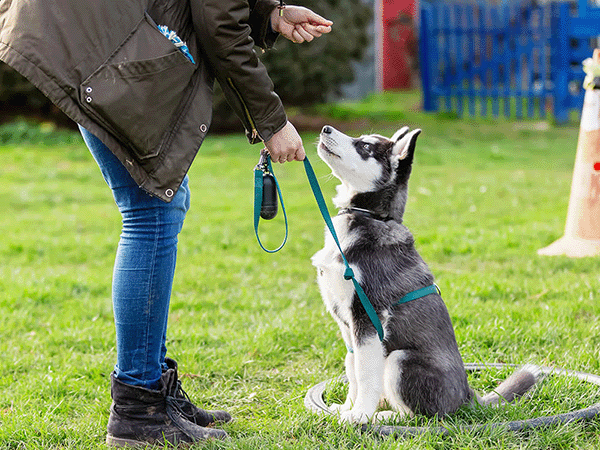
The Best Dog Trainers in the United States of 2026
This is a list of the top dog trainers in the United States, based on votes from the Sniffspot community and the general public.
The Best Dog Trainers in Seattle, WA of 2026
This is a list of the top dog trainers in Seattle, WA, based on votes from the Sniffspot community and the general public.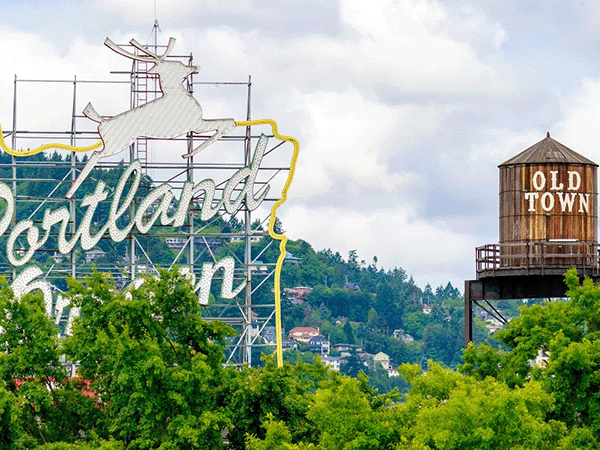
The Best Dog Trainers in Portland, OR of 2026
This is a list of the top dog trainers in Portland, OR, based on votes from the Sniffspot community and the general public.
The Best Dog Trainers in Los Angeles, CA of 2026
This is a list of the top dog trainers in Los Angeles, CA, based on votes from the Sniffspot community and the general public.
The Best Dog Trainers in New York, NY of 2026
This is a list of the top dog trainers in New York, NY, based on votes from the Sniffspot community and the general public.


City dog parks guides

The Best Indoor Dog Parks in the United States
Looking for a space to play with your dog no matter what the weather’s like outside? Look no further than our list of the best indoor dog parks in the United States! These climate-controlled spaces are growing in popularity as pet ownership increases throughout the country. As a bonus, many of them also offer dog training, boarding, grooming, or daycare services on the premises.

The Best Off-Leash Dog Parks in the United States
Looking for the perfect place to play with your dog? We’ve got you covered! It’s hard to narrow down, but we’ve put together some of the best off-leash dog parks throughout the country so you can plan your next adventure — along with a checklist of what to bring, what to know beforehand, and some frequently asked questions.

The Best Las Vegas, Nevada Dog Parks
Looking for the perfect place to play with your dog in Las Vegas? We’ve got you covered! Take a look at the best local dog parks to plan for your next adventure in Sin City.
The Best United States Dog Parks
Looking for the perfect place to play with your dog? We’ve got you covered!

The Best Portland, Oregon Dog Parks
Looking for the perfect place to play with your dog in Portland? We’ve got you covered! Take a look at the best local dog parks and plan for your next adventure in the City of Roses.

The Best Small Dog Parks in the United States
Choosing the right dog park environment can be tricky, especially if your pet is a toy breed who isn’t always up to running with the big dogs. While there are always risks involved with visiting a public dog park, many cities don’t have space for large runs — which makes small fenced-in options the best way for some apartment dwellers and other local residents to let their dogs off leash.
/354x256/wp-content/uploads/2023/04/indoordogparks.png)
/354x256/wp-content/uploads/2023/03/offleashdogparks.png)
/354x256/wp-content/uploads/2023/02/vegas.jpg)
/354x256/wp-content/uploads/2023/02/portland.jpg)
/354x256/wp-content/uploads/2023/03/smalldogparks.png)
Dogs breeds

Explore the German Shepherd Dog: Genuine Tips from Owners
Discover the German Shepherd Dog, a breed celebrated for its intelligence, loyalty, and versatility. Known for its impressive size and smooth, graceful movements, German Shepherds excel in various roles, including as guide, therapy, bomb detection, and police dogs, while being a devoted family companion.

Explore the Labrador Retriever: Real Tips from Owners
Discover the Labrador Retriever, a breed celebrated for its playful nature, affectionate temperament, and trainability. Labradors are known for their friendly demeanor and adaptability, making them perfect family companions and versatile working dogs.

Explore the Golden Retriever: Genuine Tips from 9,000+ Owners
Discover the Golden Retriever, a breed celebrated for its affectionate, playful, and trainable nature. Considered a large dog, Golden Retrievers were originally bred in Scotland for hunting and retrieving game beginning in the 1860s.

Explore the American Staffordshire Terrier: Genuine Tips from 9,000+ Owners
Discover the American Staffordshire Terrier, a breed celebrated for its playful, friendly, and loyal nature. Considered a medium-sized dog, American Staffordshire Terriers were originally bred in the United Kingdom for baiting bulls, fighting, and hunting beginning in the 1800s — though they're known as gentle, playful lovers today.

Explore the Australian Shepherd: Genuine Tips from 9,000+ Owners
Discover the Australian Shepherd, a breed celebrated for its trainable, playful, and affectionate nature. Considered a medium dog, Australian Shepherds were originally bred in the United States for herding beginning in the 1950s.

Explore the Siberian Husky: Genuine Tips from 9,000+ Owners
Discover the Siberian Husky, a breed celebrated for its curious, intelligent, and loyal nature. Considered a medium-sized dog, Siberian Huskies were originally bred in Russia for sledding, beginning in the early 20th Century.
/354x256/wp-content/uploads/2024/07/German-Shepherd-Dog.png)
/354x256/wp-content/uploads/2024/07/Screen-Shot-2024-07-24-at-4.06.05-PM.png)
/354x256/wp-content/uploads/2024/07/Screen-Shot-2024-07-25-at-3.05.09-PM.png)
/354x256/wp-content/uploads/2024/07/staffy.jpg)
/354x256/wp-content/uploads/2024/07/Screen-Shot-2024-07-25-at-3.39.43-PM.png)
/354x256/wp-content/uploads/2024/07/catherine-QMumx6XMJSY-unsplash.jpg)
Top dog names in the US
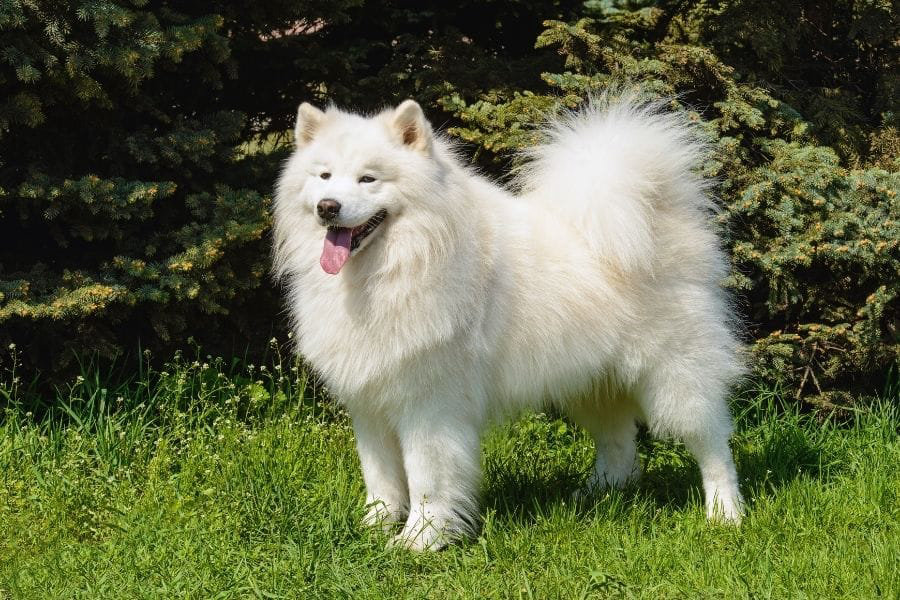
Top 1,000 Most Popular Dog Names
Looking for the perfect dog name for your new pup? We have created filterable lists of dog names from our database of hundreds of thousands of Sniffspot users. You can filter by gender, breed and state to find the most cute, unique and creative dog names.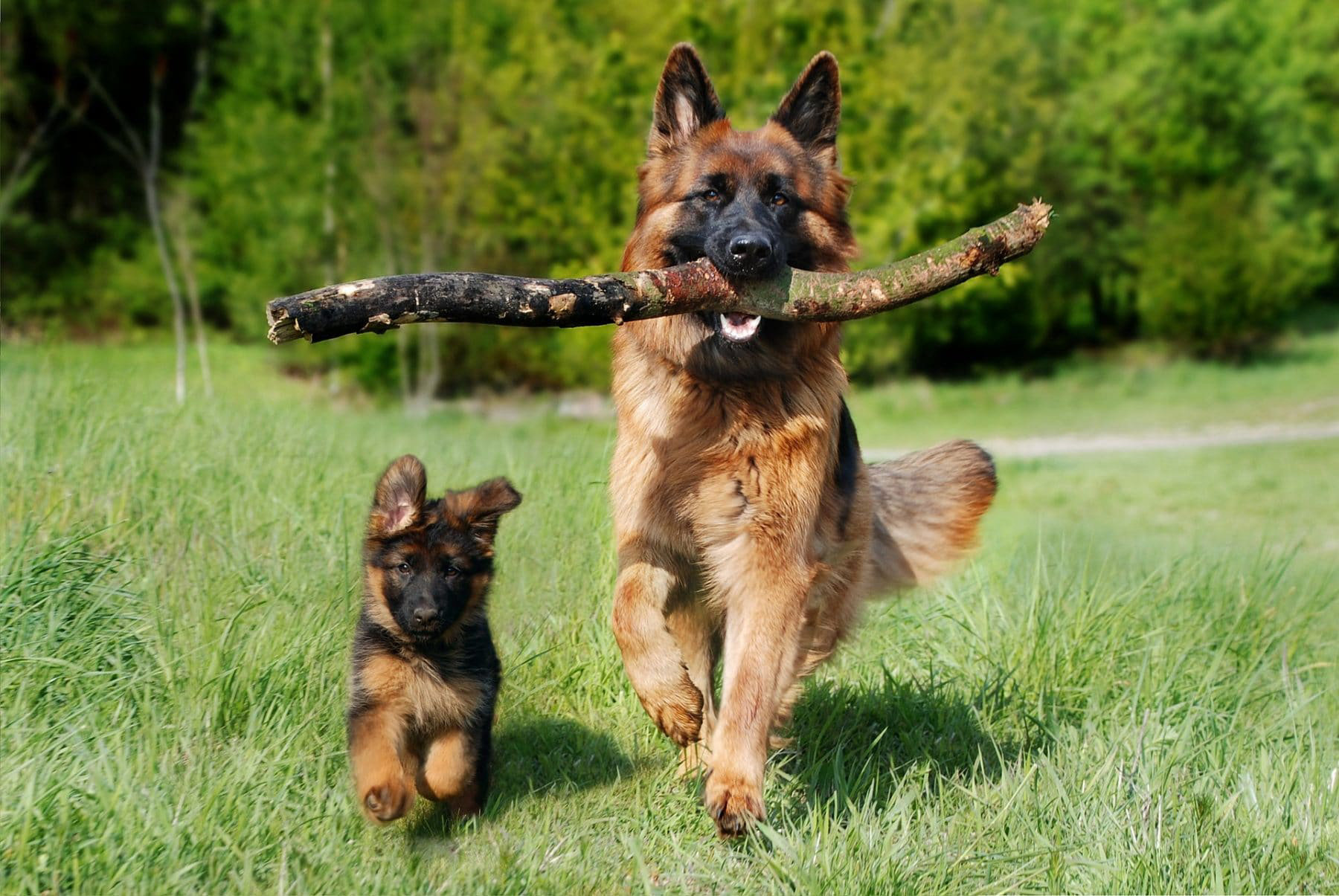
Most Popular Male Dog Names
Looking for the perfect dog name for your new male pup? We have created filterable lists of male dog names from our database of hundreds of thousands of Sniffspot users. You can filter by gender, breed and state to find the most cute, unique and creative male dog names.
Most Popular Female Dog Names
Looking for the perfect dog name for your new female pup? We have created filterable lists of female dog names from our database of hundreds of thousands of Sniffspot users. You can filter by gender, breed and state to find the most cute, unique and creative female dog names.
Most Popular Golden Retriever Names
Welcome to our comprehensive list of Golden Retriever dog names, curated from our vast database of Sniffspot users. Filter through hundreds of thousands of options by gender, breed, and state to discover the most adorable, original, and imaginative names for your beloved Golden Retriever.
Most Popular Labrador Retriever Names
Welcome to our Labrador Retriever dog names page! Here you can browse through filterable lists of names for your beloved furry friend, ranging from cute and classic to unique and creative options. Our database of hundreds of thousands of Sniffspot users ensures you'll find the perfect name for your Labrador Retriever, whether you're seeking a name for a male or female, based on breed or state.


Top dog rescues in the US

The Best Washington Dog Rescues & Shelters in 2026
This list showcases the top dog rescues & shelters in Washington. These remarkable organizations have been recognized for their unwavering dedication to the well-being of countless dogs.
The Best Oregon Dog Rescues & Shelters in 2026
This list showcases the top dog rescues & shelters in Oregon. These remarkable organizations have been recognized for their unwavering dedication to the well-being of countless dogs.
The Best California Dog Rescues & Shelters in 2026
This list showcases the top dog rescues & shelters in California. These remarkable organizations have been recognized for their unwavering dedication to the well-being of countless dogs.
The Best Florida Dog Rescues & Shelters in 2026
This list showcases the top dog rescues & shelters in Florida. These remarkable organizations have been recognized for their unwavering dedication to the well-being of countless dogs.
The Best New York Dog Rescues & Shelters in 2026
This list showcases the top dog rescues & shelters in New York. These remarkable organizations have been recognized for their unwavering dedication to the well-being of countless dogs.