Top articlesSee all...

A Comprehensive Guide to Dog Exercise

How To Crate train An Older Dog - A Comprehensive Guide

How To Socialize A Dog - A Comprehensive Guide

Leash Training: A Guide to Training Your Dog to Walk on a Leash

Skijoring: A Guide to Skijoring with Dogs

The Best Dog Enrichment Toys

The Best United States Dog Parks

The Best Indoor Dog Parks in the United States

The Best Off-Leash Dog Parks in the United States
Top articles
A Comprehensive Guide to Dog Exercise
How To Crate train An Older Dog - A Comprehensive Guide
How To Socialize A Dog - A Comprehensive Guide
Leash Training: A Guide to Training Your Dog to Walk on a Leash
Skijoring: A Guide to Skijoring with Dogs
The Best Dog Enrichment Toys
The Best United States Dog Parks
The Best Indoor Dog Parks in the United States
The Best Off-Leash Dog Parks in the United States
See all...Comprehensive Guide to Enrichment Activities for Dogs

/fit-in/0x450/wp-content/uploads/2022/07/shutterstock_1091009294.jpg)
Dogs evolved in an open world. They could act naturally without unfair repercussions. They had space to run, interesting stimuli to sniff, and plenty of opportunities to move their bodies freely.
In today’s human society, these things come at a premium for our canine companions. While it’s important our pets can fit into our modern lives, it’s also important we meet their needs! Enter canine enrichment: A movement to provide our four-legged best friends with the kinds of experiences they evolved for—the activities that still bring them deep, instinctive joy. Proper mental and physical stimulation can be an important way to prevent unwanted behaviors and improve our pets’ overall quality of life.
We’ve put together a comprehensive guide to enrichment activities for our dogs. Here's everything you need to know to get started!

What exactly is canine enrichment?
At its simplest, enrichment provides animals with opportunities to satisfy their innate urges. These activities “enrich” their lives by promoting mental and physical wellbeing!
If you ever visit a zoo or rehabilitated wildlife sanctuary, you might see signs and hear staff talk about the various forms of enrichment they provide their resident. In captivity caretakers usually make an effort to emulate an animal's natural habitat so they can engage in instinctual behaviors.
While a domestic dog’s natural habitat is living around people—dogs coevolved with humans starting more than 15,000 years argo—it’s also true that we’ve come a long way from the early days of the canine-human partnership. Common enrichment activities usually give our dogs the chance to safely dig, sniff, and emulate their predatory sequence (searching, stalking, chasing, fighting, celebrating, and consuming) without harming or disrupting the communities we live in.
Why is it important to provide enrichment for your dog?
Enrichment prevents boredom
Have you ever heard that a “tired dog is a good dog?” While exercise is important to keep our pets healthy, too much physical activity without appropriate mental stimulation can actually cause problems. We might create companions whose bodies never feel tired—and who have no idea how to slow down their brains! (Canines tend to develop cardio and muscle strength faster than humans do, so it’s easy to create a dog who can outlast us on the trails. And keeps outlasting us. Until we're exhausted, puffing out of breath, while they're still begging for more if we don't want them to chew up the couch later.)
Enrichment activities can be the perfect solution here. Paired with appropriate physical exercise, things like food puzzles, snuffle mats, and thoughtful training sessions can keep your dog entertained without running either of you to the ground.
Sounds like a win-win to us!
Enrichment can relieve stress
Our modern world can also be overwhelming for our dogs. Their senses of hearing and smell are much more keen than ours. Stimuli we barely notice (like city sirens or apartment building air fresheners) might be absolutely deafening to our pets.
Natural behaviors like sniffing and chewing can help our dogs relieve anxiety and feel more comfortable with their surroundings. In fact, there’s evidence that sniffing lowers a dog’s heart rate even as they walk. What’s more? The simple behavior of eating—regular food or special treats—can also calm our dogs down.
Enrichment can build confidence
And enrichment activities don’t just reduce stress from potentially scary or overwhelming experiences. Mental stimulation can also build our dogs’ confidence in the first place! By learning to interact with a range of objects and move their bodies in various ways, our dogs learn that challenges aren’t scary—on the contrary, they often lead to good things.
This brings us to the importance of thoughtful socialization.
Enrichment can be a helpful part of puppy socialization
When we think of socialization, it’s easy to picture directly engaging with other people in social contexts: Talking with friends and family, playing games on a sports team, or heading to a work happy hour.
In reality, proper puppy socialization is more about exposure than interaction!
- Socialization isn’t only building social skills with people and other dogs (although that’s definitely part of it). It’s above all the process of getting our puppies used to things they might encounter throughout their lives so they can feel calm, confident, and capable.
- Because we live in a modern world designed for us people and not for our pets, the list of common things that might be scary to small puppies at first is long. Consider vacuum cleaners, tall people wearing hats, vacuum cleaners, loud sirens…
- A good way to think about socialization is helping puppies feel comfortable with a range of sights, sounds, smells, and surfaces.
So what does that all have to do with enrichment? Canine enrichment activities can be the perfect way to gradually expose your dog to new experiences in environments they’re already comfortable with! Instead of feeling pressured to chase all the unique socialization spots in your local community, you can provide puzzle toys or obstacle courses inside your own home.

Every dog has unique enrichment needs
Every dog deserves enrichment—but the right enrichment activities aren’t one size fits all.
Different breeds might have certain instincts
- High drive, high energy working breeds will likely need more frequent and varied enrichment than pets bred solely for human companionship.
- Hounds generally love to use their noses.
- Terriers are known for having intense prey and chase instincts.
- Herding breeds enjoy stalking and controlling behavior.
- Northern breeds often have a strong desire to run.
- Retrievers love to chase and carry objects.
When in doubt, get in touch with your breeder, rescue, or professional trainer. They’ll help you understand what your dog was bred to do and how you can fulfill their breed-specific needs!
Your dog’s age influences what enrichment you should give them
- Puppies should avoid intense physical exercise until cleared by your veterinary team. It’s important to make sure their bones, muscles, and joints get the chance to develop properly.
- Young dogs, especially adolescents, might have a hard time focusing on the same activity for an extended period of time.
- Elderly dogs might struggle with tasks that involve precise or repetitive movements. Their brains might also struggle to process information at the speed they used to.
- Older dogs sometimes lose their senses of hearing and sight. Your pet’s abilities will dictate what types of sensory enrichment are the best fit for them.
Ultimately: Pay attention to what activities your own dog likes most
The opportunities to provide your dog with enrichment are pretty much endless. Just because your own canine companion might not like a popular toy, be as quick with certain games, or have the same preferences as your neighbor’s pet doesn’t mean there’s anything wrong with them. It simply means every animal is an individual!
Experiment with a few different enrichment activities to figure out what your own dog likes best.
Types of canine enrichment
We’ve broken down the main categories of canine enrichment—but it’s important to remember that many fun activities will overlap. The best outlets for our dogs combine several of the below elements to provide as much fulfillment as possible!

Food enrichment
Food enrichment has become incredibly common. Most store-bought enrichment toys are specifically designed to feed our dogs’ meals in new and engaging ways!
Why the surge in popularity? For one thing, food puzzles are a great way for pet owners to test the enrichment waters. Every dog has to eat—and most of us have plenty of things already lying around the house that we can use to spruce up their meals. It’s often low effort but high impact.
Some examples of food enrichment for your dog:
- Stuffed kongs (freezing them increases the difficulty)
- Other frozen treats
- Scatter feeding their kibble
- Puzzle feeders, food-dispensing balls, or lick mats specifically designed to test our dogs’ skills (cardboard boxes, paper towel rolls, blankets, towels, and plastic bottles can be used to create simple homemade puzzles)
- Snuffle mats (tossing kibble or treats in the grass has a similar effect)
- Food searches where you hide meals or favorite treats around the house to create a nose work game (bonus if they’re smelly at first to make them easier to find)
Cognitive enrichment
Giving our dog’s problem-solving challenges is a great way to productively wear them out and build relevant skills for navigating the world around us. These activities are commonly called mental stimulation. At their best, they work both our pets’ bodies and brains.
Some examples of cognitive enrichment for your dog:
- Formal training classes like obedience, rally, or agility
- At-home training sessions
- Learning new tricks and behaviors
- Impulse control exercises, like leaving treats until given permission to eat or waiting to chase a toy
- Nose work
- Puzzle toys
- Anything else that requires mental focus

Physical enrichment
We addressed the potential dangers of too much physical activity (without appropriate mental outlets) above. But there’s no denying that exercise is important for our dogs to live their best lives! The key is to vary the type, length, and intensity of their activities to avoid creating a bored “super athlete.”
Some examples of physical enrichment for your dog:
- Flirt poles or spring poles
- Interactive games like fetch or tug-of-war
- Physical play like wrestling with you or other dogs
- Dog sports like skijoring, flyball, and more
- Homemade obstacle or agility courses
- Canine conditioning exercises
- A designated dig area
- Paper shredding
You can learn more about calculating your own dog's unique exercise needs in this guide.
Social enrichment
Dogs are social mammals. While not every dog loves strange people or other animals—and there’s absolutely no reason they need to!—it is important to provide our pets with plenty of opportunities to interact with family members and friends.
Some examples of social enrichment for your dog:
- Hide and seek with you
- Playdates with other dogs if they enjoy their company (Sniffspots can be a great way to safely set up meetings with owners you trust)
- Social play with family members
- Intentional social time (like giving a canine massage)

Sensory enrichment
Our dogs have the same main senses we do (though their abilities differ—human eyes are better in the daylight while canine noses and ears put our own to shame). To change up your dog’s enrichment, spend some time thinking about what they see, hear, smell, taste, and feel! After all, variety is the spice of life.
Some examples of sensory enrichment for your dog:
- Sitting and watching the world go by in a public space (parks are great for this)
- Varying the type, size, and taste of the treats they eat
- Using lots of different materials to make your own puzzle toys
- Rolling in the grass
- Playing bird sounds or gentle wind chimes in the background
- Setting up a sensory scent garden in your yard with dog-friendly herbs
Dogs make our lives better—let’s enrich theirs, too
Anyone who has known the love of a dog will tell you that they make our lives better. They help us learn new skills, meet more people, embrace novel challenges, and ultimately become stronger, smarter, more caring people.
It’s the least we can do to enrich their daily lives, too!
Trainer Review of this Article
There is so much misinformation out there, we want to make sure we only provide the highest quality information to our community. We have all of our articles reviewed by qualified, positive-only trainers.
This is the trainer that reviewed this article:
Beth Joy, CPDT-KA, PMCT
Owner and Lead Trainer Unleashed Joy Dog Training - Mt. Airy, MD.
Certified Professional Dog Trainer (CPDT-KA)
www.unleashedjoy.com


/fit-in/0x128/wp-content/uploads/2024/05/dog-friendly-airlines.jpg)
/fit-in/0x128/wp-content/uploads/2024/08/Untitled-design-46.png)
/fit-in/0x128/wp-content/uploads/2024/08/martin-dalsgaard-bnbukHzNcGs-unsplash.jpg)
/fit-in/0x128/wp-content/uploads/2020/07/shutterstock_330043559-1.jpg)
/fit-in/0x128/wp-content/uploads/2022/08/shutterstock_1936343338.jpg)
Most recent articles
/fit-in/0x256/wp-content/uploads/2024/05/dog-friendly-airlines.jpg)
/fit-in/0x256/wp-content/uploads/2024/08/Untitled-design-46.png)
/fit-in/0x256/wp-content/uploads/2024/08/martin-dalsgaard-bnbukHzNcGs-unsplash.jpg)
/fit-in/0x128/wp-content/uploads/2024/08/florencia-potter-yxmNWxi3wCo-unsplash.jpg)
/fit-in/0x256/wp-content/uploads/2024/08/florencia-potter-yxmNWxi3wCo-unsplash.jpg)
/fit-in/0x128/wp-content/uploads/2024/08/anita-peeples-5ylV-khwM9s-unsplash.jpg)
/fit-in/0x256/wp-content/uploads/2024/08/anita-peeples-5ylV-khwM9s-unsplash.jpg)
/fit-in/0x128/wp-content/uploads/2024/08/Screen-Shot-2024-08-21-at-11.21.47-AM.png)
/fit-in/0x256/wp-content/uploads/2024/08/Screen-Shot-2024-08-21-at-11.21.47-AM.png)
Related articles
Top dog guides per area
Dog training guides

How to Deal With Food Aggression in Dogs (Facts + Infographic)
Does your dog ever growl when you walk by their food dish? Maybe they get possessive of treats, carrying them far away and giving you side-eye when you start to approach — or snarling at your other pets or children if they get too close.

Comprehensive Guide to Scent Training for Dogs (Facts + Infographic)
As almost every dog owner is aware, the nose of a dog is an amazing thing. Just as they can pick up sounds we can’t hear, their sense of smell and ability to pick up scents is well beyond ours. In fact, dogs have 40 times the number of olfactory receptors as humans.

How Much Does it Cost to Train a Service Dog?
More than 80 million Americans rely on their service dogs to help them navigate the world. Task-trained assistance animals perform a huge range of life-changing—in many cases, life-saving—services: These dogs act as eyes for visually impaired handlers, provide mobility support, alert to seizures and blood sugar crashes, interrupt anxiety attacks, remind their people to take medications, and so much more.

What is and How to Handle Potty Training Regression
You thought your dog was house trained. Your home was clean from puddles of pee, those dreaded middle-of-the-night bathroom breaks were behind you, and you loved every minute of dog ownership… until your four-legged best friend started using the bathroom inside again. What’s going on?

Coprophagia: Why Does Your Dog Eat Poop?
Ah, poop. We humans think it’s disgusting… but many of our dogs seem to love the stuff. If you’re wondering why your canine companion tries to eat feces (either their own or that of other animals) you’re not alone!

How to Train a Rescue Dog: Shelter Dog Training
* All Sniffspot articles are reviewed by certified trainers for quality, please see bottom of article for details *
/354x256/wp-content/uploads/2020/08/bernese-mountain-dog-208092_1280.jpg)
/354x256/wp-content/uploads/2022/04/shutterstock_543831754.jpg)
/354x256/wp-content/uploads/2022/08/shutterstock_494495788-1.jpg)
/354x256/wp-content/uploads/2022/07/shutterstock_237584221-1.jpg)
/354x256/wp-content/uploads/2022/10/shutterstock_705844504.jpg)
/354x256/wp-content/uploads/2022/06/shutterstock_1295604073-1-1.jpg)
Dog enrichment guides

The Best Dog Water Parks in the United States
Do you have a water-loving dog looking to burn some energy? There are countless dog parks to visit throughout our country — but some of them become far too hot in the midday sun to be safe for your pets to play. That’s why we’ve put together a list of some of the best dog water parks throughout the United States! At these locations, your pup can frolic, splash, and swim to their heart’s content.

Best Toys for Herding Dogs
* All Sniffspot articles are reviewed by certified trainers for quality, please see bottom of article for details *

The Best Dog Toys for Aggressive Chewers (Facts + Infographic)
Does your dog destroy every toy you give them? Is your house littered with remnants of fabric and stuffing of all different sizes? Are you tired of investing in “indestructible” toys only for your pup to still dismantle—or worse, get bored of—them in just a few days?

Dog Exercise Calculator: How Much Exercise Does Your Dog Need?
You’ve been told your dog needs regular exercise. There’s a reason “walking the dog” is a classic daily activity: Frequent excursions give your pup a chance to experience the world, maintain a healthy weight, and — most importantly — spend time with you! Consistent physical activity can also improve their strength, muscle tone, coordination, and mental ability over time.

Complete Guide To Herding With Dogs
* All Sniffspot articles are reviewed by certified trainers for quality, please see bottom of article for details *

Comprehensive Guide to Enrichment Activities for Dogs
Dogs evolved in an open world. They could act naturally without unfair repercussions. They had space to run, interesting stimuli to sniff, and plenty of opportunities to move their bodies freely.
/354x256/wp-content/uploads/2023/04/dogwaterpark.png)
/354x256/wp-content/uploads/2022/05/shutterstock_174836186.jpg)
/354x256/wp-content/uploads/2023/02/shutterstock_1346929262.jpg)
/354x256/wp-content/uploads/2022/08/dogexercisecalculatorfeaturedimage.jpg)
/354x256/wp-content/uploads/2020/07/bb.jpg)
/354x256/wp-content/uploads/2022/07/shutterstock_1091009294.jpg)
Dog reactivity guides

Rottweiler Aggression: Signs, Causes, and How to Handle It
Many dogs have gotten a bad reputation over the years for being "dangerous breeds." Rottweilers are among them. Like pit bulls and other large, blocky-headed types of dogs, these powerful and beautiful animals are often assumed to be aggressive.

Dog Reactivity Chart: Understand and Fix Dog Reactivity
Your dog is reactive. They’ll see another dog, person, or other stimulus in the environment (like a car or bike) while out on a walk and suddenly go crazy at the end of their leash. The barking, lunging, and growling feels embarrassing for you — and it’s clear that your pup isn’t having a great time either.

How to Socialize Your Reactive Dog
Does your dog display reactivity to other pets or people? Maybe they’re a new rescue pup and are still settling into your home. Or they were sick growing up, so you missed their critical socialization period. Possibly they’ve had a bad experience after being raised as a normal puppy.

Definitive Guide: What is Dog Reactivity?
Do you have a reactive dog or suspect you may have one? You’re not alone!

The 9 Best Online Communities for Reactive Dog Parents
* All Sniffspot articles are reviewed by certified trainers for quality, please see bottom of article for details *

How To Groom a Reactive Dog
* All Sniffspot articles are reviewed by certified trainers for quality, please see bottom of article for details *
/354x256/wp-content/uploads/2023/05/Screen-Shot-2024-05-23-at-9.33.57-PM.png)
/354x256/wp-content/uploads/2022/08/dogreactivitychartfeaturedimage.jpg)
/354x256/wp-content/uploads/2022/08/shutterstock_523383649.jpg)
/354x256/wp-content/uploads/2020/07/a.jpg)
/354x256/wp-content/uploads/2022/01/shutterstock_796422001.jpg)
/354x256/wp-content/uploads/2020/07/shutterstock-641073763_orig.jpg)
Sniffspot community guides

The State of Public Dog Parks Across the United States
From 2009 to 2020, there was a 40 percent increase in the development of public dog parks. Designated spots for canine exercise have become commonplace in every major city in North America — many pet owners won’t even consider renting an apartment that doesn’t have its own fenced-in pet area for their canine companions.

How This Family is Affording Their Dream Property Through Renting it Hourly to Dogs
Thousand Oaks, California has been a safe haven for Sniffspot host, Jen, since childhood. Having grown up in busy Santa Barbara, Jen, an introvert from an early age, would seek out solitude and serenity away from tourists attractions and droves of people visiting from elsewhere. “My grandparents own 60 acres about a 30 minute drive from here, and I grew up spending every summer and every holiday visiting them on the ranch,” Jen explained. “In Santa Barbara, we wouldn't go to the beach on the weekend because that's where everybody was, so you'd find places off the beaten path where the tourists weren't. For me, the ranch was just my happy place.”

Host Tips: Ellen K. What Makes Sniffspot Successful for Me
Ellen is the host of Country Pasture Getaway, one of Sniffspot's most popular sniff spots. She has taken the time to write up the lessons she has learned about how to be a great sniff spot host.

How this Oregon Farmer is Making a Business From Renting Her Land to Dogs
Just 20 minutes outside of the busy city of Portland, Oregon, and settled right on the banks of the Columbia River, you’ll find what countless visitors have flocked to the area in search of – mountain views, crisp, clean air, and running water for miles. What you might not expect to find, however, is a hidden oasis designed just for dogs and their people, owned and operated by a farming couple and enjoyed by visitors on two legs, and four.

Host Tips: Fran T. Providing Great Guest Service at our Spot
Fran is the host of Ranch Setting, one of Sniffspot's most popular spots. She has taken the time to write up the lessons she has learned about how to be a great Sniffspot host.

How Sniffspot Helped a Nervous Rescue Work Through His Fears and Change His Family’s Life
This is the story of a family and dog rescuing each other.
/354x256/wp-content/uploads/2022/07/Sniffspot_infographic_1-01.jpeg)
/354x256/wp-content/uploads/2021/05/Final-Edit-003-1.jpg)
/354x256/wp-content/uploads/2020/07/good-photo-3_orig.jpg)
/354x256/wp-content/uploads/2021/05/sniffspot-28-of-45-1.jpg)
/354x256/wp-content/uploads/2020/07/screen-shot-2019-09-19-at-2-01-47-pm_orig.png)
/354x256/wp-content/uploads/2022/08/N0A9291.jpg)
Top dog trainers in the US
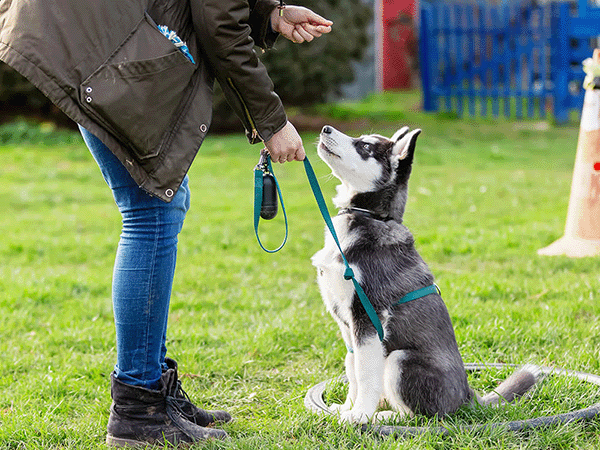
The Best Dog Trainers in the United States of 2026
This is a list of the top dog trainers in the United States, based on votes from the Sniffspot community and the general public.
The Best Dog Trainers in Seattle, WA of 2026
This is a list of the top dog trainers in Seattle, WA, based on votes from the Sniffspot community and the general public.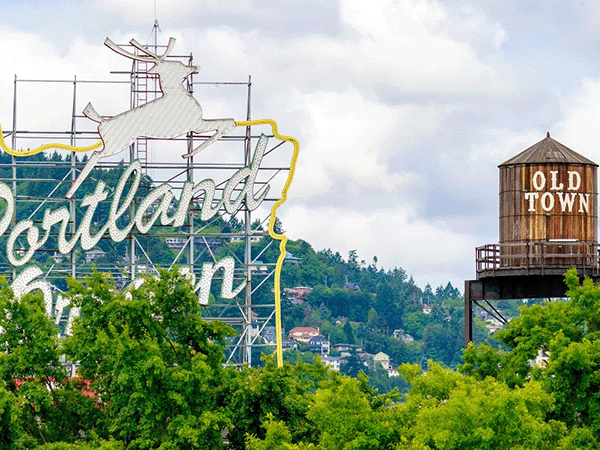
The Best Dog Trainers in Portland, OR of 2026
This is a list of the top dog trainers in Portland, OR, based on votes from the Sniffspot community and the general public.
The Best Dog Trainers in Los Angeles, CA of 2026
This is a list of the top dog trainers in Los Angeles, CA, based on votes from the Sniffspot community and the general public.
The Best Dog Trainers in New York, NY of 2026
This is a list of the top dog trainers in New York, NY, based on votes from the Sniffspot community and the general public.


City dog parks guides

The Best Indoor Dog Parks in the United States
Looking for a space to play with your dog no matter what the weather’s like outside? Look no further than our list of the best indoor dog parks in the United States! These climate-controlled spaces are growing in popularity as pet ownership increases throughout the country. As a bonus, many of them also offer dog training, boarding, grooming, or daycare services on the premises.

The Best Off-Leash Dog Parks in the United States
Looking for the perfect place to play with your dog? We’ve got you covered! It’s hard to narrow down, but we’ve put together some of the best off-leash dog parks throughout the country so you can plan your next adventure — along with a checklist of what to bring, what to know beforehand, and some frequently asked questions.

The Best Las Vegas, Nevada Dog Parks
Looking for the perfect place to play with your dog in Las Vegas? We’ve got you covered! Take a look at the best local dog parks to plan for your next adventure in Sin City.
The Best United States Dog Parks
Looking for the perfect place to play with your dog? We’ve got you covered!

The Best Portland, Oregon Dog Parks
Looking for the perfect place to play with your dog in Portland? We’ve got you covered! Take a look at the best local dog parks and plan for your next adventure in the City of Roses.

The Best Small Dog Parks in the United States
Choosing the right dog park environment can be tricky, especially if your pet is a toy breed who isn’t always up to running with the big dogs. While there are always risks involved with visiting a public dog park, many cities don’t have space for large runs — which makes small fenced-in options the best way for some apartment dwellers and other local residents to let their dogs off leash.
/354x256/wp-content/uploads/2023/04/indoordogparks.png)
/354x256/wp-content/uploads/2023/03/offleashdogparks.png)
/354x256/wp-content/uploads/2023/02/vegas.jpg)
/354x256/wp-content/uploads/2023/02/portland.jpg)
/354x256/wp-content/uploads/2023/03/smalldogparks.png)
Dogs breeds

Explore the German Shepherd Dog: Genuine Tips from Owners
Discover the German Shepherd Dog, a breed celebrated for its intelligence, loyalty, and versatility. Known for its impressive size and smooth, graceful movements, German Shepherds excel in various roles, including as guide, therapy, bomb detection, and police dogs, while being a devoted family companion.

Explore the Labrador Retriever: Real Tips from Owners
Discover the Labrador Retriever, a breed celebrated for its playful nature, affectionate temperament, and trainability. Labradors are known for their friendly demeanor and adaptability, making them perfect family companions and versatile working dogs.

Explore the Golden Retriever: Genuine Tips from 9,000+ Owners
Discover the Golden Retriever, a breed celebrated for its affectionate, playful, and trainable nature. Considered a large dog, Golden Retrievers were originally bred in Scotland for hunting and retrieving game beginning in the 1860s.

Explore the American Staffordshire Terrier: Genuine Tips from 9,000+ Owners
Discover the American Staffordshire Terrier, a breed celebrated for its playful, friendly, and loyal nature. Considered a medium-sized dog, American Staffordshire Terriers were originally bred in the United Kingdom for baiting bulls, fighting, and hunting beginning in the 1800s — though they're known as gentle, playful lovers today.

Explore the Australian Shepherd: Genuine Tips from 9,000+ Owners
Discover the Australian Shepherd, a breed celebrated for its trainable, playful, and affectionate nature. Considered a medium dog, Australian Shepherds were originally bred in the United States for herding beginning in the 1950s.

Explore the Siberian Husky: Genuine Tips from 9,000+ Owners
Discover the Siberian Husky, a breed celebrated for its curious, intelligent, and loyal nature. Considered a medium-sized dog, Siberian Huskies were originally bred in Russia for sledding, beginning in the early 20th Century.
/354x256/wp-content/uploads/2024/07/German-Shepherd-Dog.png)
/354x256/wp-content/uploads/2024/07/Screen-Shot-2024-07-24-at-4.06.05-PM.png)
/354x256/wp-content/uploads/2024/07/Screen-Shot-2024-07-25-at-3.05.09-PM.png)
/354x256/wp-content/uploads/2024/07/staffy.jpg)
/354x256/wp-content/uploads/2024/07/Screen-Shot-2024-07-25-at-3.39.43-PM.png)
/354x256/wp-content/uploads/2024/07/catherine-QMumx6XMJSY-unsplash.jpg)
Top dog names in the US
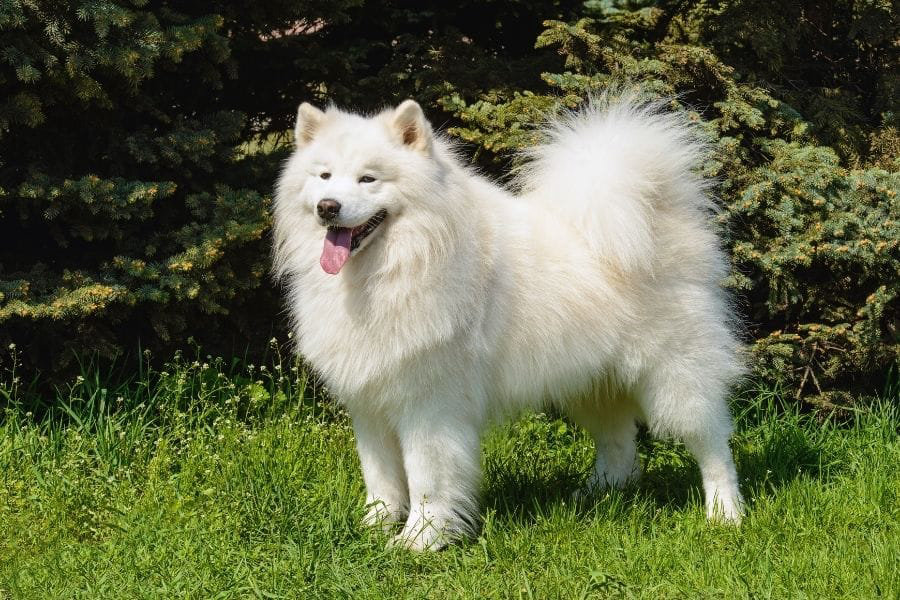
Top 1,000 Most Popular Dog Names
Looking for the perfect dog name for your new pup? We have created filterable lists of dog names from our database of hundreds of thousands of Sniffspot users. You can filter by gender, breed and state to find the most cute, unique and creative dog names.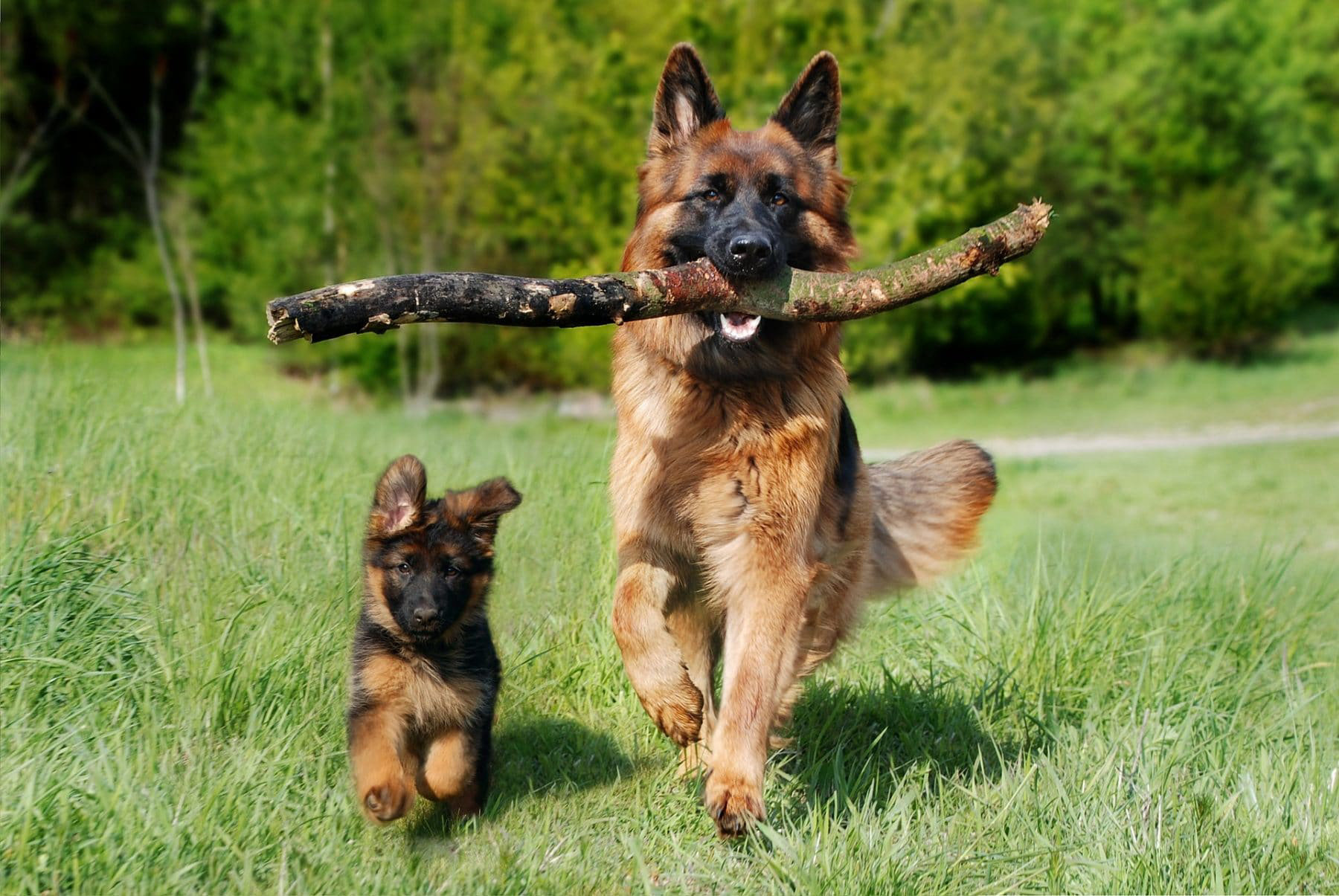
Most Popular Male Dog Names
Looking for the perfect dog name for your new male pup? We have created filterable lists of male dog names from our database of hundreds of thousands of Sniffspot users. You can filter by gender, breed and state to find the most cute, unique and creative male dog names.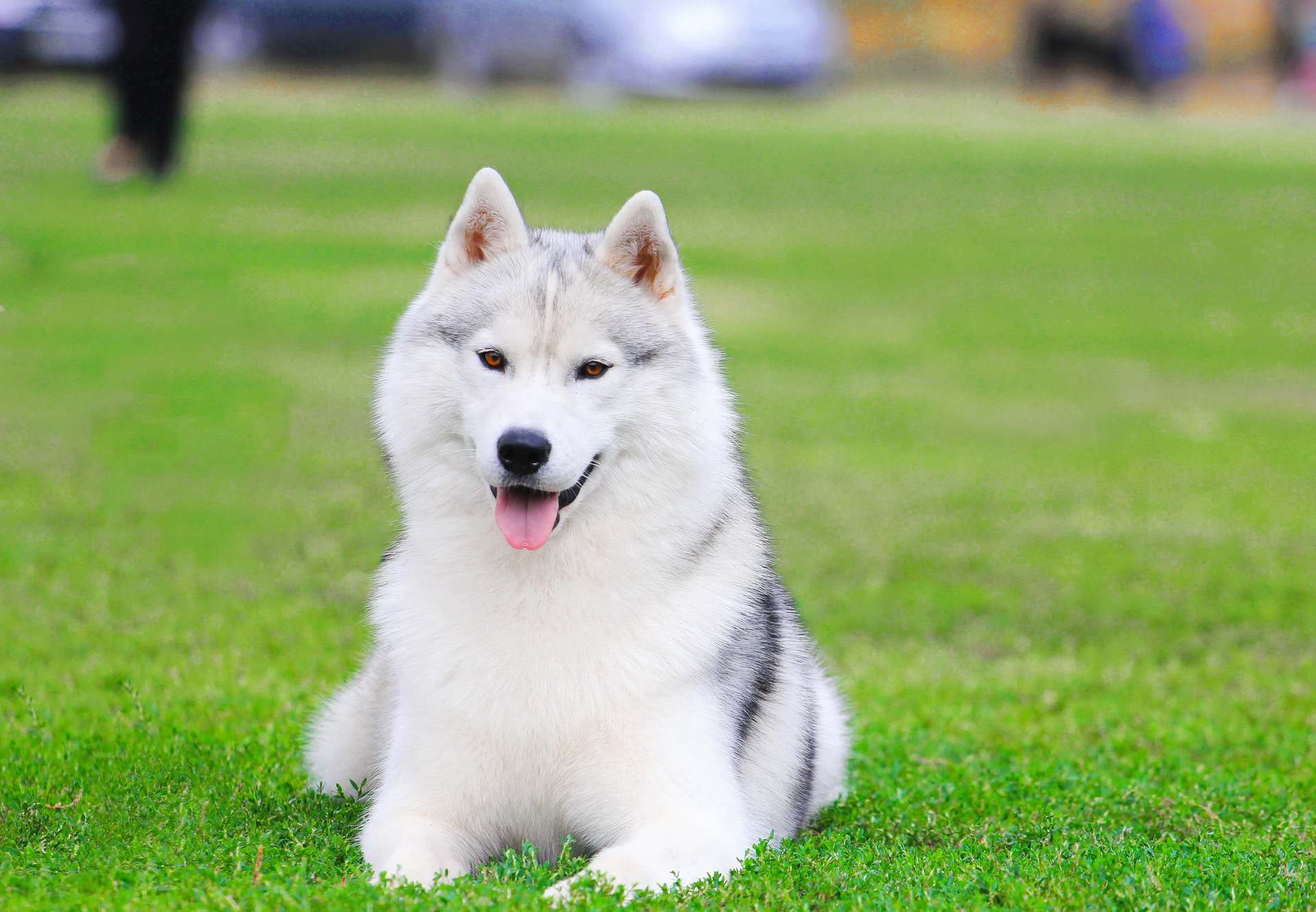
Most Popular Female Dog Names
Looking for the perfect dog name for your new female pup? We have created filterable lists of female dog names from our database of hundreds of thousands of Sniffspot users. You can filter by gender, breed and state to find the most cute, unique and creative female dog names.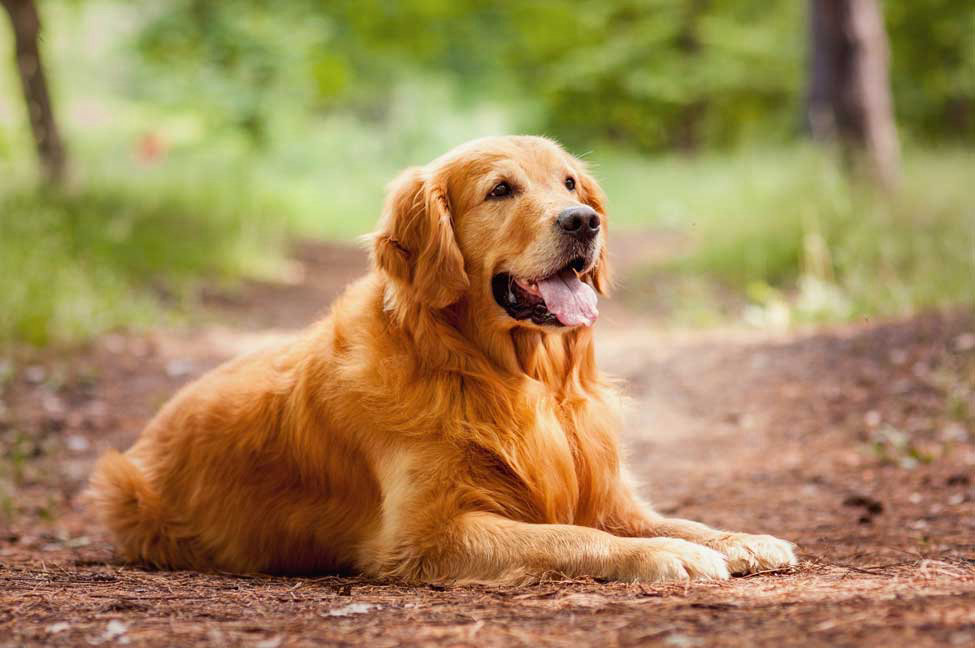
Most Popular Golden Retriever Names
Welcome to our comprehensive list of Golden Retriever dog names, curated from our vast database of Sniffspot users. Filter through hundreds of thousands of options by gender, breed, and state to discover the most adorable, original, and imaginative names for your beloved Golden Retriever.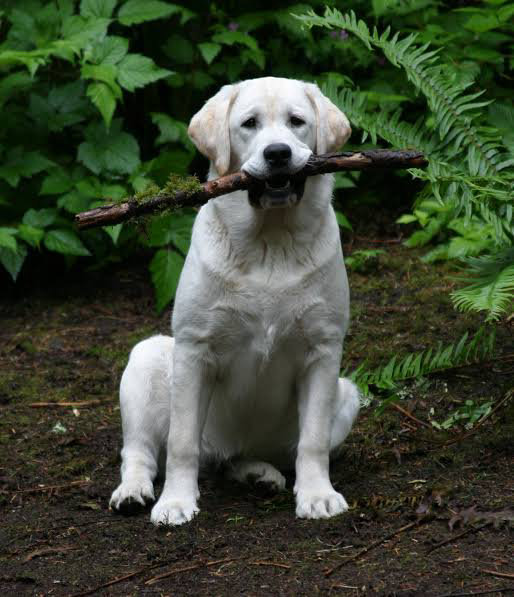
Most Popular Labrador Retriever Names
Welcome to our Labrador Retriever dog names page! Here you can browse through filterable lists of names for your beloved furry friend, ranging from cute and classic to unique and creative options. Our database of hundreds of thousands of Sniffspot users ensures you'll find the perfect name for your Labrador Retriever, whether you're seeking a name for a male or female, based on breed or state.


Top dog rescues in the US

The Best Washington Dog Rescues & Shelters in 2026
This list showcases the top dog rescues & shelters in Washington. These remarkable organizations have been recognized for their unwavering dedication to the well-being of countless dogs.
The Best Oregon Dog Rescues & Shelters in 2026
This list showcases the top dog rescues & shelters in Oregon. These remarkable organizations have been recognized for their unwavering dedication to the well-being of countless dogs.
The Best California Dog Rescues & Shelters in 2026
This list showcases the top dog rescues & shelters in California. These remarkable organizations have been recognized for their unwavering dedication to the well-being of countless dogs.
The Best Florida Dog Rescues & Shelters in 2026
This list showcases the top dog rescues & shelters in Florida. These remarkable organizations have been recognized for their unwavering dedication to the well-being of countless dogs.
The Best New York Dog Rescues & Shelters in 2026
This list showcases the top dog rescues & shelters in New York. These remarkable organizations have been recognized for their unwavering dedication to the well-being of countless dogs.