Top articlesSee all...

A Comprehensive Guide to Dog Exercise

How To Crate train An Older Dog - A Comprehensive Guide

How To Socialize A Dog - A Comprehensive Guide

Leash Training: A Guide to Training Your Dog to Walk on a Leash

Skijoring: A Guide to Skijoring with Dogs

The Best Dog Enrichment Toys

The Best United States Dog Parks

The Best Indoor Dog Parks in the United States

The Best Off-Leash Dog Parks in the United States
Top articles
A Comprehensive Guide to Dog Exercise
How To Crate train An Older Dog - A Comprehensive Guide
How To Socialize A Dog - A Comprehensive Guide
Leash Training: A Guide to Training Your Dog to Walk on a Leash
Skijoring: A Guide to Skijoring with Dogs
The Best Dog Enrichment Toys
The Best United States Dog Parks
The Best Indoor Dog Parks in the United States
The Best Off-Leash Dog Parks in the United States
See all...The Pocket Guide to Flyball for Dogs

/fit-in/0x450/wp-content/uploads/2020/08/shutterstock_421958377.jpg)
* All Sniffspot articles are reviewed by certified trainers for quality, please see bottom of article for details *
Ever wished your dog could spend an afternoon running as fast as they can, jumping over obstacles, and retrieving balls alongside other canine friends?
It may sound like an unbelievably specific set of criteria. But as dog sports continue to grow in popularity (yes, even for everyday dog owners!) anyone with a flyball dog will tell you just how rewarding all of the above elements can be put together.
If you’re looking for a new outlet to exercise your active dog — especially if they have a knack for remaining focused and driven under pressure, like many working breeds do — flyball racing may be a fun and effective way to meet your canine companion’s physical and mental needs.
Here’s everything you need to know about the flyball dog sport.
What is flyball and how does it work?
At its simplest, flyball is a relay race. Two teams of dogs (eight total, four on each team) complete a straightforward yet challenging set of obstacles (hurdles, quickly turning and pressing a pad to launch a ball from a box, carrying the ball back over the hurdles) in order to reach the finish line.
The history of flyball
In the United States, flyball first showed up in Southern California in the 1960s. A group of dog trainers thought it would be fun to combine retrieving and scent hurdle racing to create a new, exciting dog sport. One man named Herbert Wagner invented a box apparatus to laugh tennis balls for his fetch-loving dog — he even presented it to Johnny Carson on The Tonight Show. This eventually became the mechanized flyball box you see today!
The first formal flyball competition was held in 1981. In the decades since, the sport has spread around the world — more than 16,000 flyball dogs are registered in a handful of countries. Flyball continues to grow in popularity as more owners realize how fulfilling it can be for their dogs.
How does flyball work, exactly?
To begin, two competing dogs run the length of a course in the same direction. They:
- First jump over four hurdles
- Once they reach the end of the course section, the dogs will then touch a spring-loaded pad on a flyball box with one of their paws (this is referred to as a “box turn”) to quickly flip 180 degrees while releasing a ball from the mechanized apparatus
- The dogs grab the ball with their mouths
- They carry the toy back over the hurdles
- Finally cross the finish line
Once a competitor's nose crosses the finish line, the next dog can start their run. This continues until all dogs on both teams have completed the course.
The winning team is decided by the fastest times in three out of five races. All four dogs must complete the entire course with zero errors made — if they miss a jump or drop the ball, rules state they must rerun the course after the rest of their team has finished. This means that any deviations from the course make it hard to be the fastest team.
Flyball teams are made up of:
- Four dogs to compete in the relay race
- Four handlers to guide and encourage the racing dogs as well as release dogs onto the course following a series of yellow and green flashing lights, which signal the start of heats
- One ball loader to replace balls for dogs to retrieve
- One or two runners to collect any loose balls
- The reserve crew consisting of two additional dogs and their two handlers
Flyball is an incredibly physical sport. According to the North American Flyball Association standard, flyball courses are 51 feet in length. Racing dogs must scale all hurdles both to and from the springboard that holds the ball. That’s no easy feat!
Because all breeds and sizes of dogs are encouraged to compete in flyball races, the height of the hurdles is determined by the smallest dog on a team. The hurdles measure five inches lower than the shortest dog’s shoulder height, and hurdles max out at a height of 14 inches. The relatively low hurdle height allows competing dogs to retain top speeds while still requiring them to focus and time their jumps properly.

Benefits of flyball
- Flyball is an excellent way for high strung dogs to productively channel their mental and physical energy. It incorporates many natural canine tendencies like running, jumping, and retrieving to satisfy their innate instincts!
- Because flyball is open to dogs of any breed, it’s a welcoming sport to a huge range of dog owners. This makes it the perfect environment to meet fellow dog lovers, form friendships, and ultimately feel part of a community. (This can be especially important in post-pandemic times, when many dogs and humans were unable to get enough socialization to keep them mentally healthy.)
- Speaking of socialization: Because of the diversity of competitors, flyball is a great opportunity to give your dog safe, fun exposure to other dogs and people. While it’s generally not recommended for incredibly fearful dogs (you’ll want to do some foundational confidence building first) dog sports like flyball can help you take your dog’s self esteem to the next level.
- Flyball is fun! While there are competitions, and some participants get pretty serious, many dog handlers pursue the sport simply for the joy of cooperating with their canine companion. Any dog with the ability to fetch (so really, just about any dog!) can experience the joy.
- Dog sports, especially multi-faceted ones like flyball, can make your relationship with your dog even stronger. You’ll be working together around distractions in high energy environments. It’s a great way to reinforce your bond.

Is flyball right for me and my dog?
Flyball is open to just about any dog — but that doesn't mean every pet is going to enjoy it. And that’s okay! There’s a huge range of dog sports (and other noncompetitive activities) out there to pursue with your canine companion. No one type of exercise is inherently better than all the others.
That said, the majority of people who try out flyball end up loving it. Here are a few things to keep in mind when deciding whether or not flyball is right for you and your dog!
Flyball dogs should be in good physical health
Like many sports which rely on a dog’s agility, flyball as a competitive sport is great for dogs in good physical health. If your pet suffers from any gait, muscle, or joint issues, you should check with your veterinarian before pursuing a new activity.
Flyball dogs are often (but not always) of working breeds
Because flyball is an activity that involves athletic capability, focus, and determination, the sport is generally best suited to dogs who need to be stimulated — both physically and mentally — in order to feel their best. Many working and herding breeds thrive in the competitive environment.
If your dog isn’t naturally high drive, though, don’t fret! You’re still welcome to pursue flyball and hone your pet’s skills over time. It just might take a bit more work than someone entering the sport with a high energy, focused breed.
Flyball involves working in close proximity to other dogs
Dogs who participate in flyball competitions should be non-aggressive and not leash reactive toward other dogs. It’s impossible to get much distance from other animals during the competitions (unlike other sports like agility or rally, which many fearful and reactive dogs can thrive in).
If you’re interested in flyball but aren’t sure your dog can handle it yet, get in touch with a professional dog trainer! They’ll be able to help you develop a training plan and set realistic goals.We also have several articles on dog reactivity on the Sniffspot blog.
Flyball can be a chaotic environment
Dogs who succeed in flyball are usually not easily stressed or agitated. That’s because the sport creates a fast-paced and loud environment.
Flyball requires a strong relationship between dog and owner
A dog and their handler generally work as a unit within the team. Communication, trust, and a strong bond is an important aspect of scoring well in flyball competitions! Pets with strong recall abilities who readily follow directions and cues are great candidates for the sport.

How to get your dog started in flyball
Think flyball may be a good fit for your dog? How exciting!
Attend a flyball event in person first
The best way to get started is to attend a flyball event in your area. This lets you see for yourself what your canine is expected to do and the format of competitions.
To locate your local flyball community, there are a few things you can try:
- Search Facebook for flyball clubs, groups, and teams nearby
- Research flyball online by searching for phrases like “flyball near me” and “flyball dog training near me”
- Ask a local trainer or pet care professional if they have any information or experience with flyball
Like any dog sporting event, finding a community of dog guardians immersed in the sport can provide a great resource for answering any questions you may have, learning about future competitions, and finding out what it takes to train a flyball dog.
The North American Flyball Association sanctions over 300 competitions annually in various locations.
Begin foundational flyball training with your dog
If you can’t find a flyball community near you, or if you simply want to see if your dog would even enjoy participating in such an activity, there are some things you can do at home to assess your dog's interest and current skill level.
Ask your dog to return a ball to you
One way to do this is to have your dog return a ball to you. The ball should be stationary — try laying a tennis ball on the floor and encourage your dog to pick it up and deliver it to you rather than drop it onto the ground. This will discourage your dog from dropping a ball during a flyball race.
Make sure to work with positive reward training, where a high value treat is offered to your dog each time they return the ball to you!
You can read more about teaching your dog to fetch in this article.
Practice jumping
You should also practice — and generously reward! — jumping. This might sound complicated after reading about the official flyball setup, but you can use any household item tall enough for your dog to step over.
To practice jumping:
- Start with something very low to the ground and easy to scale at first. You might prop a broom between the bottom rungs of two chairs, for example.
- Reward your dog each time they step over the object. Throw a little party. Play in between attempts to keep the energy level up. Make your training fun!
- Over time, add height to the item. Continue to offer rewards and encouragement.
- Eventually start adding some running before and after the jump.
A relatively private outdoor space — like a Sniffspot location near you — is a great option for teaching a dog to retrieve or jump in preparation for flyball racing.
Work on other basic skills like focus and recall
You can read more about teaching your dog a basic cue in this article and learn about recall training in this one.
Practice settling in busy environments
While dog sports generally make us think of fast-paced action, resting is also a huge part of flyball tournaments. You should teach your dog to become comfortable at rest in a crate so that they won’t be disruptive or overly excited while other teams are competing during their downtime. This makes sure you’re respectful of the sport environment and sets your dog up for success by ensuring they’re well-rested for their own runs.

Other ways to exercise your dog
If flyball doesn’t sound like your thing — or even if it is and you’re just looking for some other fun activities, too — we’ve put together several guides on keeping our dogs in top physical and mental shape. Take a look below!
Trainer that reviewed this article
There is so much misinformation out there, we want to make sure we only provide the highest quality information to our community. We have all of our articles reviewed by qualified, positive-only trainers. The trainers that review our content are reviewed by other trainers to ensure that we have the best quality filters on our content.
This is the trainer that reviewed this article:
Lindy Langum
Founder - K9 Fun Club
Staff Trainer - Summit Assistance Dogs
Certified in Canine Studies (CSS), NW School of Canine Studies


/fit-in/0x128/wp-content/uploads/2024/05/dog-friendly-airlines.jpg)
/fit-in/0x128/wp-content/uploads/2024/08/Untitled-design-46.png)
/fit-in/0x128/wp-content/uploads/2024/08/martin-dalsgaard-bnbukHzNcGs-unsplash.jpg)
/fit-in/0x128/wp-content/uploads/2020/07/shutterstock_330043559-1.jpg)
/fit-in/0x128/wp-content/uploads/2022/04/shutterstock_174836186.jpg)
Most recent articles
/fit-in/0x256/wp-content/uploads/2024/05/dog-friendly-airlines.jpg)
/fit-in/0x256/wp-content/uploads/2024/08/Untitled-design-46.png)
/fit-in/0x256/wp-content/uploads/2024/08/martin-dalsgaard-bnbukHzNcGs-unsplash.jpg)
/fit-in/0x128/wp-content/uploads/2024/08/florencia-potter-yxmNWxi3wCo-unsplash.jpg)
/fit-in/0x256/wp-content/uploads/2024/08/florencia-potter-yxmNWxi3wCo-unsplash.jpg)
/fit-in/0x128/wp-content/uploads/2024/08/anita-peeples-5ylV-khwM9s-unsplash.jpg)
/fit-in/0x256/wp-content/uploads/2024/08/anita-peeples-5ylV-khwM9s-unsplash.jpg)
/fit-in/0x128/wp-content/uploads/2024/08/Screen-Shot-2024-08-21-at-11.21.47-AM.png)
/fit-in/0x256/wp-content/uploads/2024/08/Screen-Shot-2024-08-21-at-11.21.47-AM.png)
Related articles
Top dog guides per area
Dog training guides

How to Deal With Food Aggression in Dogs (Facts + Infographic)
Does your dog ever growl when you walk by their food dish? Maybe they get possessive of treats, carrying them far away and giving you side-eye when you start to approach — or snarling at your other pets or children if they get too close.

Comprehensive Guide to Scent Training for Dogs (Facts + Infographic)
As almost every dog owner is aware, the nose of a dog is an amazing thing. Just as they can pick up sounds we can’t hear, their sense of smell and ability to pick up scents is well beyond ours. In fact, dogs have 40 times the number of olfactory receptors as humans.

How Much Does it Cost to Train a Service Dog?
More than 80 million Americans rely on their service dogs to help them navigate the world. Task-trained assistance animals perform a huge range of life-changing—in many cases, life-saving—services: These dogs act as eyes for visually impaired handlers, provide mobility support, alert to seizures and blood sugar crashes, interrupt anxiety attacks, remind their people to take medications, and so much more.

What is and How to Handle Potty Training Regression
You thought your dog was house trained. Your home was clean from puddles of pee, those dreaded middle-of-the-night bathroom breaks were behind you, and you loved every minute of dog ownership… until your four-legged best friend started using the bathroom inside again. What’s going on?

Coprophagia: Why Does Your Dog Eat Poop?
Ah, poop. We humans think it’s disgusting… but many of our dogs seem to love the stuff. If you’re wondering why your canine companion tries to eat feces (either their own or that of other animals) you’re not alone!

How to Train a Rescue Dog: Shelter Dog Training
* All Sniffspot articles are reviewed by certified trainers for quality, please see bottom of article for details *
/354x256/wp-content/uploads/2020/08/bernese-mountain-dog-208092_1280.jpg)
/354x256/wp-content/uploads/2022/04/shutterstock_543831754.jpg)
/354x256/wp-content/uploads/2022/08/shutterstock_494495788-1.jpg)
/354x256/wp-content/uploads/2022/07/shutterstock_237584221-1.jpg)
/354x256/wp-content/uploads/2022/10/shutterstock_705844504.jpg)
/354x256/wp-content/uploads/2022/06/shutterstock_1295604073-1-1.jpg)
Dog enrichment guides

The Best Dog Water Parks in the United States
Do you have a water-loving dog looking to burn some energy? There are countless dog parks to visit throughout our country — but some of them become far too hot in the midday sun to be safe for your pets to play. That’s why we’ve put together a list of some of the best dog water parks throughout the United States! At these locations, your pup can frolic, splash, and swim to their heart’s content.

Best Toys for Herding Dogs
* All Sniffspot articles are reviewed by certified trainers for quality, please see bottom of article for details *

The Best Dog Toys for Aggressive Chewers (Facts + Infographic)
Does your dog destroy every toy you give them? Is your house littered with remnants of fabric and stuffing of all different sizes? Are you tired of investing in “indestructible” toys only for your pup to still dismantle—or worse, get bored of—them in just a few days?

Dog Exercise Calculator: How Much Exercise Does Your Dog Need?
You’ve been told your dog needs regular exercise. There’s a reason “walking the dog” is a classic daily activity: Frequent excursions give your pup a chance to experience the world, maintain a healthy weight, and — most importantly — spend time with you! Consistent physical activity can also improve their strength, muscle tone, coordination, and mental ability over time.

Complete Guide To Herding With Dogs
* All Sniffspot articles are reviewed by certified trainers for quality, please see bottom of article for details *

Comprehensive Guide to Enrichment Activities for Dogs
Dogs evolved in an open world. They could act naturally without unfair repercussions. They had space to run, interesting stimuli to sniff, and plenty of opportunities to move their bodies freely.
/354x256/wp-content/uploads/2023/04/dogwaterpark.png)
/354x256/wp-content/uploads/2022/05/shutterstock_174836186.jpg)
/354x256/wp-content/uploads/2023/02/shutterstock_1346929262.jpg)
/354x256/wp-content/uploads/2022/08/dogexercisecalculatorfeaturedimage.jpg)
/354x256/wp-content/uploads/2020/07/bb.jpg)
/354x256/wp-content/uploads/2022/07/shutterstock_1091009294.jpg)
Dog reactivity guides

Rottweiler Aggression: Signs, Causes, and How to Handle It
Many dogs have gotten a bad reputation over the years for being "dangerous breeds." Rottweilers are among them. Like pit bulls and other large, blocky-headed types of dogs, these powerful and beautiful animals are often assumed to be aggressive.

Dog Reactivity Chart: Understand and Fix Dog Reactivity
Your dog is reactive. They’ll see another dog, person, or other stimulus in the environment (like a car or bike) while out on a walk and suddenly go crazy at the end of their leash. The barking, lunging, and growling feels embarrassing for you — and it’s clear that your pup isn’t having a great time either.

How to Socialize Your Reactive Dog
Does your dog display reactivity to other pets or people? Maybe they’re a new rescue pup and are still settling into your home. Or they were sick growing up, so you missed their critical socialization period. Possibly they’ve had a bad experience after being raised as a normal puppy.

Definitive Guide: What is Dog Reactivity?
Do you have a reactive dog or suspect you may have one? You’re not alone!

The 9 Best Online Communities for Reactive Dog Parents
* All Sniffspot articles are reviewed by certified trainers for quality, please see bottom of article for details *

How To Groom a Reactive Dog
* All Sniffspot articles are reviewed by certified trainers for quality, please see bottom of article for details *
/354x256/wp-content/uploads/2023/05/Screen-Shot-2024-05-23-at-9.33.57-PM.png)
/354x256/wp-content/uploads/2022/08/dogreactivitychartfeaturedimage.jpg)
/354x256/wp-content/uploads/2022/08/shutterstock_523383649.jpg)
/354x256/wp-content/uploads/2020/07/a.jpg)
/354x256/wp-content/uploads/2022/01/shutterstock_796422001.jpg)
/354x256/wp-content/uploads/2020/07/shutterstock-641073763_orig.jpg)
Sniffspot community guides

The State of Public Dog Parks Across the United States
From 2009 to 2020, there was a 40 percent increase in the development of public dog parks. Designated spots for canine exercise have become commonplace in every major city in North America — many pet owners won’t even consider renting an apartment that doesn’t have its own fenced-in pet area for their canine companions.

How This Family is Affording Their Dream Property Through Renting it Hourly to Dogs
Thousand Oaks, California has been a safe haven for Sniffspot host, Jen, since childhood. Having grown up in busy Santa Barbara, Jen, an introvert from an early age, would seek out solitude and serenity away from tourists attractions and droves of people visiting from elsewhere. “My grandparents own 60 acres about a 30 minute drive from here, and I grew up spending every summer and every holiday visiting them on the ranch,” Jen explained. “In Santa Barbara, we wouldn't go to the beach on the weekend because that's where everybody was, so you'd find places off the beaten path where the tourists weren't. For me, the ranch was just my happy place.”

Host Tips: Ellen K. What Makes Sniffspot Successful for Me
Ellen is the host of Country Pasture Getaway, one of Sniffspot's most popular sniff spots. She has taken the time to write up the lessons she has learned about how to be a great sniff spot host.

How this Oregon Farmer is Making a Business From Renting Her Land to Dogs
Just 20 minutes outside of the busy city of Portland, Oregon, and settled right on the banks of the Columbia River, you’ll find what countless visitors have flocked to the area in search of – mountain views, crisp, clean air, and running water for miles. What you might not expect to find, however, is a hidden oasis designed just for dogs and their people, owned and operated by a farming couple and enjoyed by visitors on two legs, and four.

Host Tips: Fran T. Providing Great Guest Service at our Spot
Fran is the host of Ranch Setting, one of Sniffspot's most popular spots. She has taken the time to write up the lessons she has learned about how to be a great Sniffspot host.

How Sniffspot Helped a Nervous Rescue Work Through His Fears and Change His Family’s Life
This is the story of a family and dog rescuing each other.
/354x256/wp-content/uploads/2022/07/Sniffspot_infographic_1-01.jpeg)
/354x256/wp-content/uploads/2021/05/Final-Edit-003-1.jpg)
/354x256/wp-content/uploads/2020/07/good-photo-3_orig.jpg)
/354x256/wp-content/uploads/2021/05/sniffspot-28-of-45-1.jpg)
/354x256/wp-content/uploads/2020/07/screen-shot-2019-09-19-at-2-01-47-pm_orig.png)
/354x256/wp-content/uploads/2022/08/N0A9291.jpg)
Top dog trainers in the US
The Best Dog Trainers in the United States of 2026
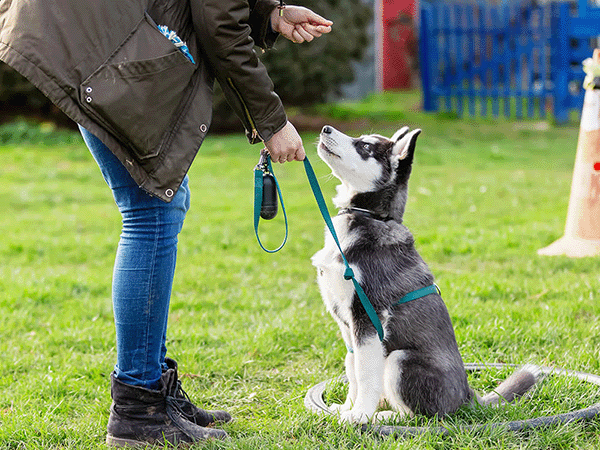
This is a list of the top dog trainers in the United States, based on votes from the Sniffspot community and the general public.
The Best Dog Trainers in Seattle, WA of 2026
This is a list of the top dog trainers in Seattle, WA, based on votes from the Sniffspot community and the general public.
The Best Dog Trainers in Portland, OR of 2026
This is a list of the top dog trainers in Portland, OR, based on votes from the Sniffspot community and the general public.
The Best Dog Trainers in Los Angeles, CA of 2026
This is a list of the top dog trainers in Los Angeles, CA, based on votes from the Sniffspot community and the general public.
The Best Dog Trainers in New York, NY of 2026
This is a list of the top dog trainers in New York, NY, based on votes from the Sniffspot community and the general public.


City dog parks guides

The Best Indoor Dog Parks in the United States
Looking for a space to play with your dog no matter what the weather’s like outside? Look no further than our list of the best indoor dog parks in the United States! These climate-controlled spaces are growing in popularity as pet ownership increases throughout the country. As a bonus, many of them also offer dog training, boarding, grooming, or daycare services on the premises.

The Best Off-Leash Dog Parks in the United States
Looking for the perfect place to play with your dog? We’ve got you covered! It’s hard to narrow down, but we’ve put together some of the best off-leash dog parks throughout the country so you can plan your next adventure — along with a checklist of what to bring, what to know beforehand, and some frequently asked questions.

The Best Las Vegas, Nevada Dog Parks
Looking for the perfect place to play with your dog in Las Vegas? We’ve got you covered! Take a look at the best local dog parks to plan for your next adventure in Sin City.
The Best United States Dog Parks
Looking for the perfect place to play with your dog? We’ve got you covered!

The Best Portland, Oregon Dog Parks
Looking for the perfect place to play with your dog in Portland? We’ve got you covered! Take a look at the best local dog parks and plan for your next adventure in the City of Roses.

The Best Small Dog Parks in the United States
Choosing the right dog park environment can be tricky, especially if your pet is a toy breed who isn’t always up to running with the big dogs. While there are always risks involved with visiting a public dog park, many cities don’t have space for large runs — which makes small fenced-in options the best way for some apartment dwellers and other local residents to let their dogs off leash.
/354x256/wp-content/uploads/2023/04/indoordogparks.png)
/354x256/wp-content/uploads/2023/03/offleashdogparks.png)
/354x256/wp-content/uploads/2023/02/vegas.jpg)
/354x256/wp-content/uploads/2023/02/portland.jpg)
/354x256/wp-content/uploads/2023/03/smalldogparks.png)
Dogs breeds

Explore the German Shepherd Dog: Genuine Tips from Owners
Discover the German Shepherd Dog, a breed celebrated for its intelligence, loyalty, and versatility. Known for its impressive size and smooth, graceful movements, German Shepherds excel in various roles, including as guide, therapy, bomb detection, and police dogs, while being a devoted family companion.

Explore the Labrador Retriever: Real Tips from Owners
Discover the Labrador Retriever, a breed celebrated for its playful nature, affectionate temperament, and trainability. Labradors are known for their friendly demeanor and adaptability, making them perfect family companions and versatile working dogs.

Explore the Golden Retriever: Genuine Tips from 9,000+ Owners
Discover the Golden Retriever, a breed celebrated for its affectionate, playful, and trainable nature. Considered a large dog, Golden Retrievers were originally bred in Scotland for hunting and retrieving game beginning in the 1860s.

Explore the American Staffordshire Terrier: Genuine Tips from 9,000+ Owners
Discover the American Staffordshire Terrier, a breed celebrated for its playful, friendly, and loyal nature. Considered a medium-sized dog, American Staffordshire Terriers were originally bred in the United Kingdom for baiting bulls, fighting, and hunting beginning in the 1800s — though they're known as gentle, playful lovers today.

Explore the Australian Shepherd: Genuine Tips from 9,000+ Owners
Discover the Australian Shepherd, a breed celebrated for its trainable, playful, and affectionate nature. Considered a medium dog, Australian Shepherds were originally bred in the United States for herding beginning in the 1950s.

Explore the Siberian Husky: Genuine Tips from 9,000+ Owners
Discover the Siberian Husky, a breed celebrated for its curious, intelligent, and loyal nature. Considered a medium-sized dog, Siberian Huskies were originally bred in Russia for sledding, beginning in the early 20th Century.
/354x256/wp-content/uploads/2024/07/German-Shepherd-Dog.png)
/354x256/wp-content/uploads/2024/07/Screen-Shot-2024-07-24-at-4.06.05-PM.png)
/354x256/wp-content/uploads/2024/07/Screen-Shot-2024-07-25-at-3.05.09-PM.png)
/354x256/wp-content/uploads/2024/07/staffy.jpg)
/354x256/wp-content/uploads/2024/07/Screen-Shot-2024-07-25-at-3.39.43-PM.png)
/354x256/wp-content/uploads/2024/07/catherine-QMumx6XMJSY-unsplash.jpg)
Top dog names in the US
Top 1,000 Most Popular Dog Names
Looking for the perfect dog name for your new pup? We have created filterable lists of dog names from our database of hundreds of thousands of Sniffspot users. You can filter by gender, breed and state to find the most cute, unique and creative dog names.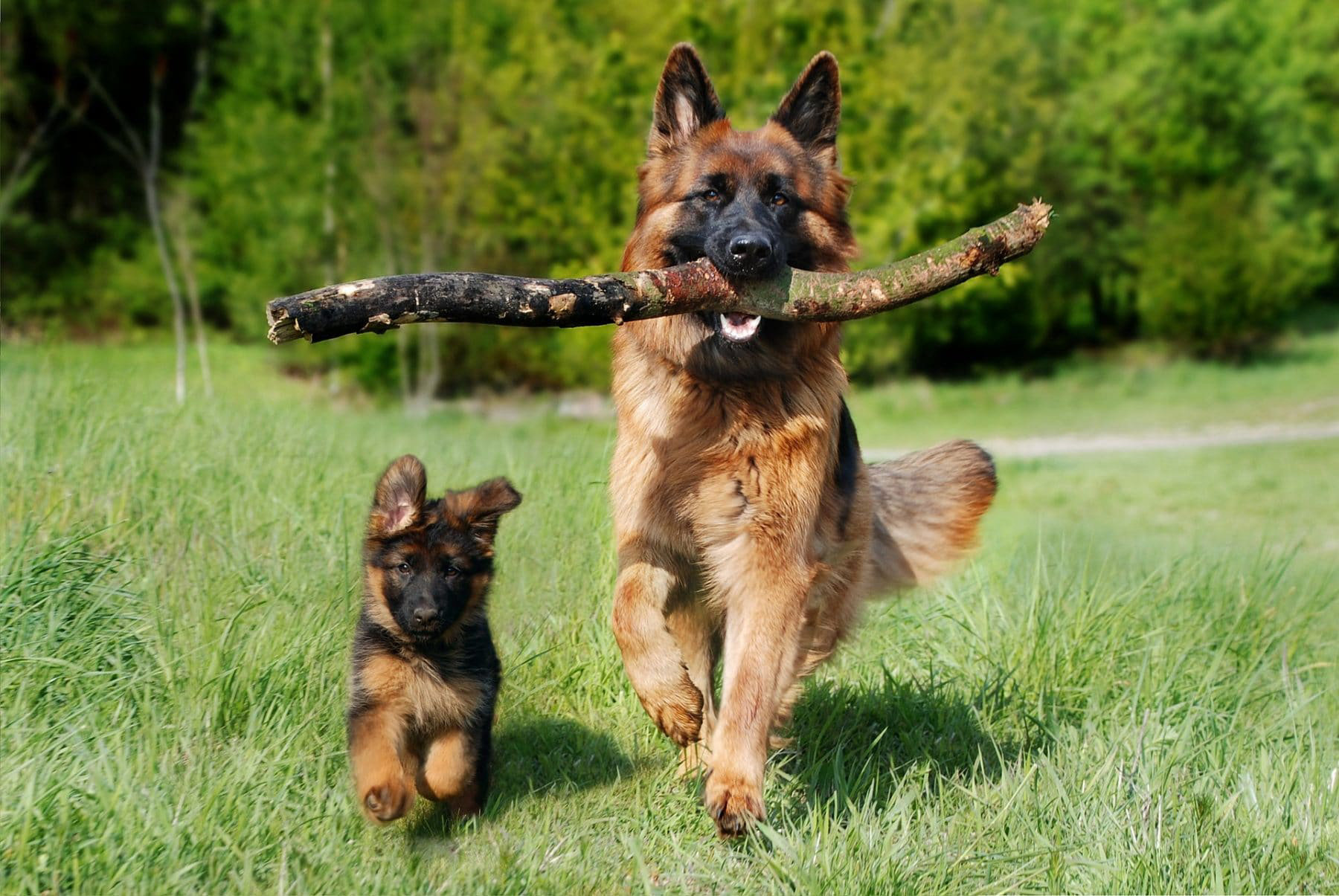
Most Popular Male Dog Names
Looking for the perfect dog name for your new male pup? We have created filterable lists of male dog names from our database of hundreds of thousands of Sniffspot users. You can filter by gender, breed and state to find the most cute, unique and creative male dog names.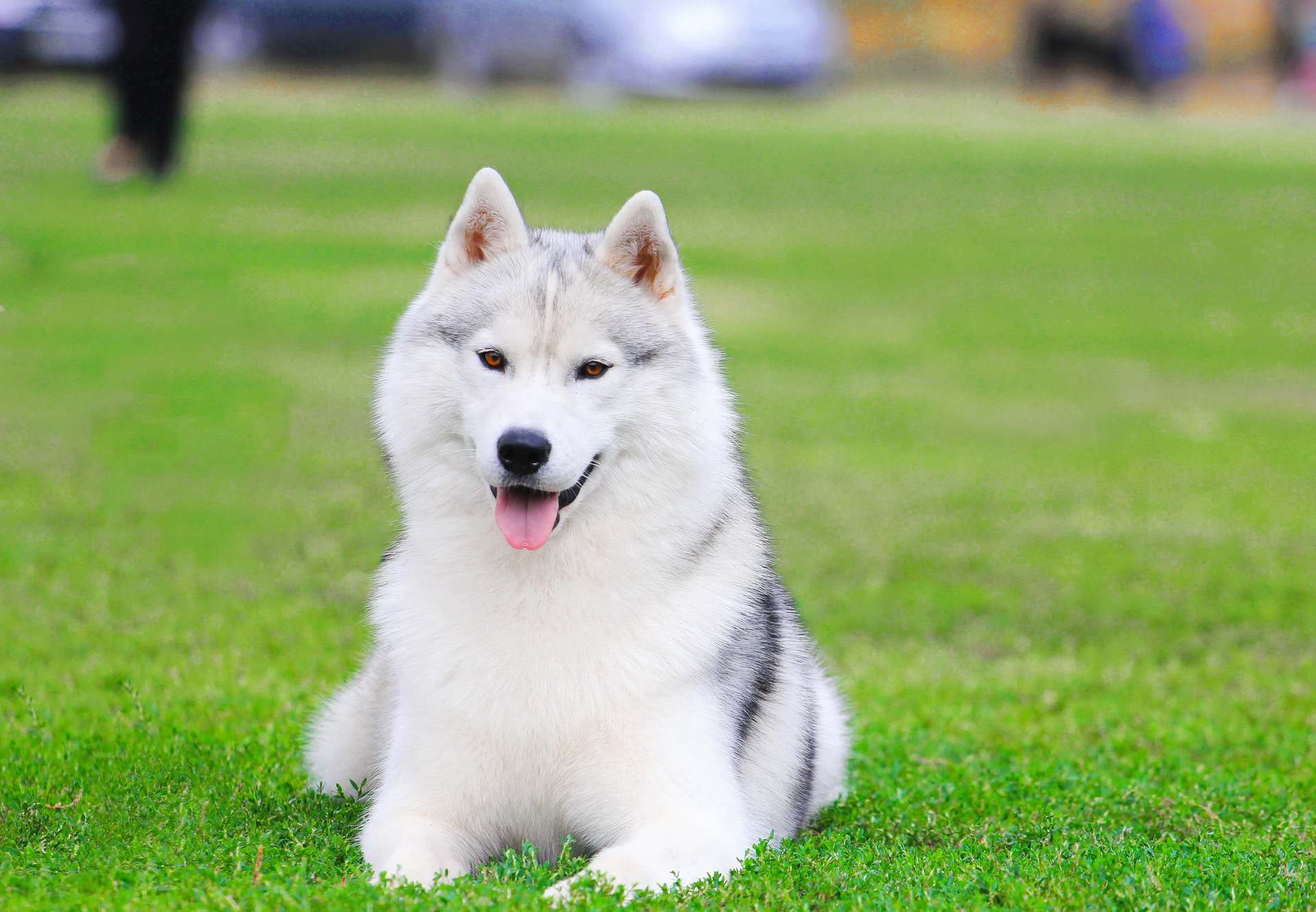
Most Popular Female Dog Names
Looking for the perfect dog name for your new female pup? We have created filterable lists of female dog names from our database of hundreds of thousands of Sniffspot users. You can filter by gender, breed and state to find the most cute, unique and creative female dog names.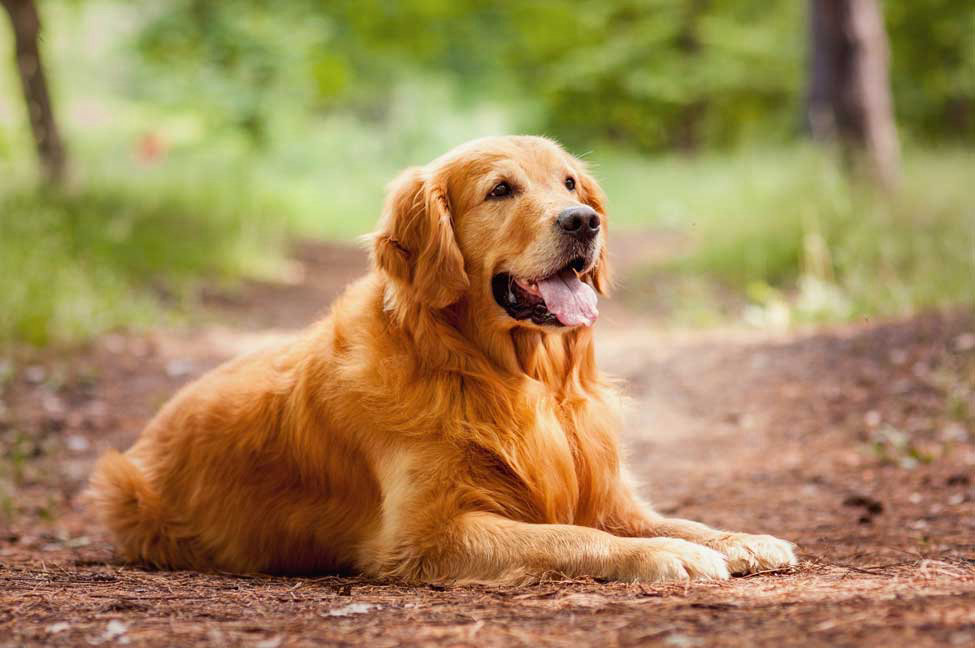
Most Popular Golden Retriever Names
Welcome to our comprehensive list of Golden Retriever dog names, curated from our vast database of Sniffspot users. Filter through hundreds of thousands of options by gender, breed, and state to discover the most adorable, original, and imaginative names for your beloved Golden Retriever.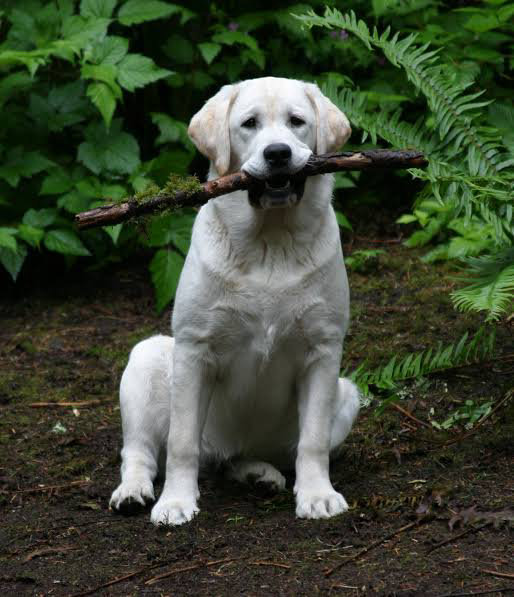
Most Popular Labrador Retriever Names
Welcome to our Labrador Retriever dog names page! Here you can browse through filterable lists of names for your beloved furry friend, ranging from cute and classic to unique and creative options. Our database of hundreds of thousands of Sniffspot users ensures you'll find the perfect name for your Labrador Retriever, whether you're seeking a name for a male or female, based on breed or state.


Top dog rescues in the US

The Best Washington Dog Rescues & Shelters in 2026
This list showcases the top dog rescues & shelters in Washington. These remarkable organizations have been recognized for their unwavering dedication to the well-being of countless dogs.
The Best Oregon Dog Rescues & Shelters in 2026
This list showcases the top dog rescues & shelters in Oregon. These remarkable organizations have been recognized for their unwavering dedication to the well-being of countless dogs.
The Best California Dog Rescues & Shelters in 2026
This list showcases the top dog rescues & shelters in California. These remarkable organizations have been recognized for their unwavering dedication to the well-being of countless dogs.
The Best Florida Dog Rescues & Shelters in 2026
This list showcases the top dog rescues & shelters in Florida. These remarkable organizations have been recognized for their unwavering dedication to the well-being of countless dogs.
The Best New York Dog Rescues & Shelters in 2026
This list showcases the top dog rescues & shelters in New York. These remarkable organizations have been recognized for their unwavering dedication to the well-being of countless dogs.