Top articlesSee all...

A Comprehensive Guide to Dog Exercise

How To Crate train An Older Dog - A Comprehensive Guide

How To Socialize A Dog - A Comprehensive Guide

Leash Training: A Guide to Training Your Dog to Walk on a Leash

Skijoring: A Guide to Skijoring with Dogs

The Best Dog Enrichment Toys

The Best United States Dog Parks

The Best Indoor Dog Parks in the United States

The Best Off-Leash Dog Parks in the United States
Top articles
A Comprehensive Guide to Dog Exercise
How To Crate train An Older Dog - A Comprehensive Guide
How To Socialize A Dog - A Comprehensive Guide
Leash Training: A Guide to Training Your Dog to Walk on a Leash
Skijoring: A Guide to Skijoring with Dogs
The Best Dog Enrichment Toys
The Best United States Dog Parks
The Best Indoor Dog Parks in the United States
The Best Off-Leash Dog Parks in the United States
See all...How to Deal With Food Aggression in Dogs (Facts + Infographic)

/fit-in/0x450/wp-content/uploads/2020/08/bernese-mountain-dog-208092_1280.jpg)
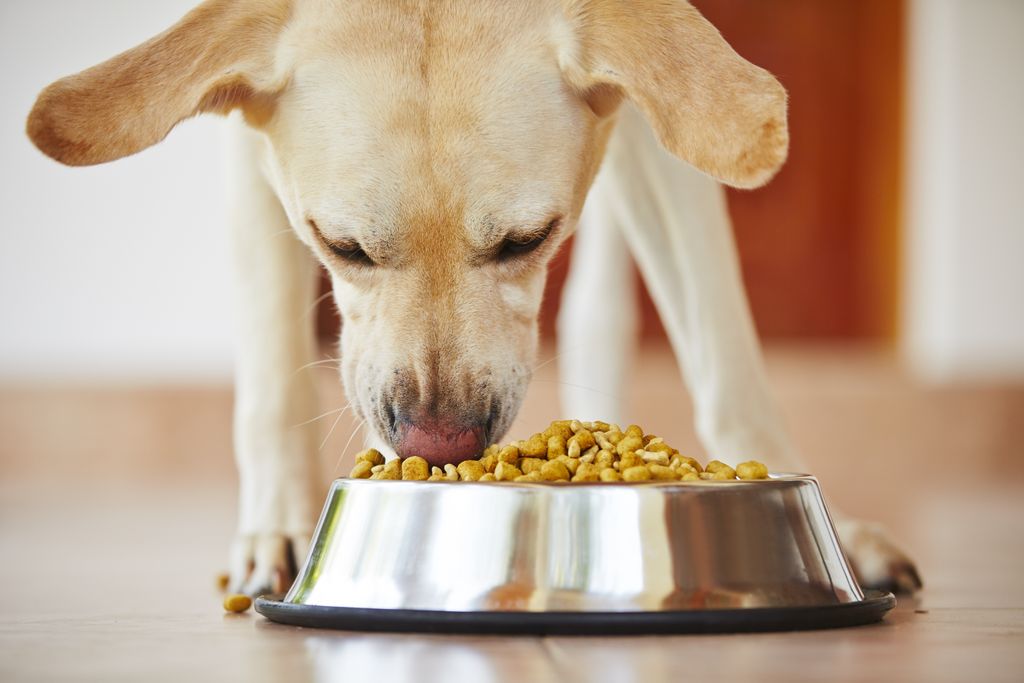
Does your dog ever growl when you walk by their food dish? Maybe they get possessive of treats, carrying them far away and giving you side-eye when you start to approach — or snarling at your other pets or children if they get too close.
These are symptoms of food aggression, a common (yet scary) behavior problem many dog owners face. Per Sniffspot's proprietary research, 25% of dog guardians report having a dog that has had food aggression.
In this article we'll dive into what food aggression is, common situations where you might see aggressive behaviors, how to prevent it from happening in the first place, and how to treat it if your dog already struggles.
You've got this. Let's dive in!
What is food aggression?
Food aggression is a form of resource guarding. Resource guarding is pretty much exactly what it sounds like: when a dog “guards” a valuable resource, such as a toy or a food bowl, through behaviors like running away with the item, growling, or biting.
Food aggression is specific to food and treats
Food aggression, as the name implies, is specific to food. If your dog is displaying aggressive behaviors — like growling, lunging or biting — in non-food situations, then something else is going on. You'll want to call your vet and a qualified trainer to help make sense of your pup's behavior.
Resource guarding can be a natural canine instinct!
Food aggression is quite common in dogs. To a degree, resource guarding is a natural behavior inherited from your pet's canine ancestors. Although your domestic dog doesn't need to guard their food like this (if only we could tell our pets we'll always take care of them!) the instinct might remain.
And it makes sense — think about if someone kept trying to stick their fork onto your plate to steal pieces of your favorite meal. You'd probably guard your food by showing signs of aggression, too!
While it often comes from a natural place, resource guarding still needs to be dealt with in order for your dog to thrive in modern human society — especially if they struggle with severe food aggression.
Do bad experiences create food aggression?
It's not necessary for a dog to have a negative experience around food, like fending for themselves on the street as a stray, to develop food aggression — but those sorts of circumstances can definitely exacerbate the problem.
Every dog is an individual, and some pets are more likely to resource guard than others due to a combination of genetic and experiential factors. If your dog shows signs of food aggression or other aggressive tendencies, it does not mean anything bad has happened to them or that you've failed as an owner!
Food aggression may be more likely to occur in younger dogs
Dog guardians with dogs that have had food aggression report via Sniffspot's proprietary survey that the resource guarding developed at the following ages:
- 42% report food aggression developing when their dog was <1 year old
- 51% report food aggression developing when their dog was 1 - 5 years old
- 6% report food aggression developing when their dog was 6 - 10 years old
- 1% report food aggression developing when their dog was 11+ years old
Common situations where dogs show food aggression
Puppy food aggression
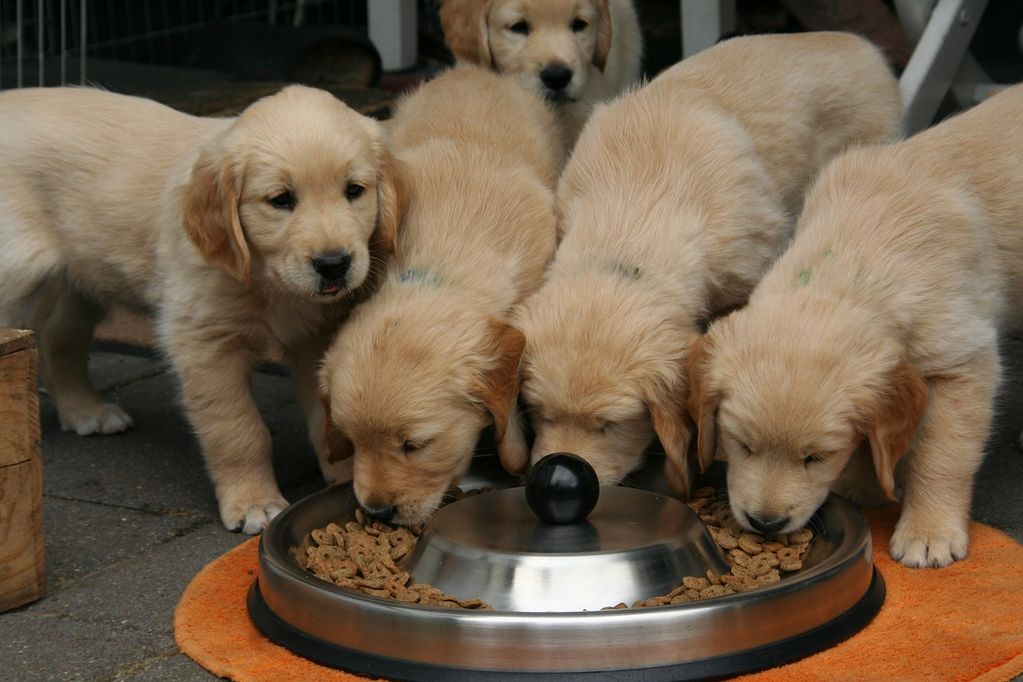
It's common for puppies to guard food because they often feel they are in competition with their littermates. This might be especially true if they came from a breeder who fed them from a communal dish or if their mother struggled to produce enough milk for all of their siblings early in life.
Food aggression toward dogs, cats, or other animals
If you have other dogs who eat at the same time, or you have cats who like to steal bites of dog food, your dog may show food aggression to try to protect what's theirs. A simple way around mild cases of resource guarding here is to feed multiple pets in different rooms, separated by baby gates, or safely in their own creates.
Communal free feeding is likely to cause problems in dogs with possessive tendencies — we recommend giving each pet their own separate meals and not allowing them to bother each other as they eat.
Food aggression towards children
Similarly, dogs may feel that children loitering around meals are a threat to their food. If possible, keep any children out of the room (or at least out of the immediate space) whenever the dog is eating. Creating a peaceful “food zone” free of people and other pets is the ideal scenario!
Food aggression towards adult humans
While food aggression towards other dogs and young children is most common, since they tend to move more quickly and erratically, it's also possible for your dog to guard their meals from any people in the vicinity.

Get in touch with a professional trainer or veterinarian right away if your dog shows:
Food aggression with biting
If you think your dog may bite you, the ASPCA recommends that you do not try to deal with their food aggression on your own. Consult with a Certified Applied Animal Behaviorist (CAAB or ACAAB) or a board-certified veterinary behaviorist (Dip ACVB). (Our article When And How to Think About Medication for Anxious Dogs has a breakdown of the difference between vets, Veterinary Behaviorists, and Certified Applied Animal Behaviorists.)
In the meantime, give your dog as much space and peace during mealtimes as possible — and make sure everyone in your household knows not to go near the dog during feeding times.
Sudden food aggression
If your dog is suddenly displaying food aggression when they didn't before, take them to a vet. They may have an injury or ailment causing physical pain and altering their behavior as a result.
This is a good idea before implementing any training plan. Our pets can be stoic when they're hurting — a thorough vet check is never a bad move.
How can you prevent your dog from developing food aggression?
It's a good idea for all dog owners to do some occasional resource guarding drills. While you may not feel it's necessary if your dog does not have food aggression, that's actually the best time to work on it — before symptoms start! The following steps can show your dog they don't need to worry about you taking away their food.
Some sources recommend hand feeding, but we don't
Many articles about addressing food aggression recommend hand feeding your dog. There isn't an across-the-board consensus, and what works for one situation might not for another — but we generally advise against it. Hand feeding can actually lead to bites if your dog learns to suppress their body language but still feels uncomfortable.
How does this happen? When your dog only gets access to food through a human, that person is in control and often removes the food or reacts when they show undesirable behavior. Your dog then learns to suppress their warning body language and might appear to “suddenly” snap.
Occasionally give your dog extra treats while they're eating
Another great way to prevent resource guarding is to only approach your dog during meal times to give them something else extra, like high-value treats they don't get often. When your dog is calmly eating, walk nearby and toss a special treat into their food bowl. This creates a positive association with you coming close!
Take care to not bother your dog or get in the way of their food. Tossing treats from a few feet away is a better option than putting your hand all the way in your dog's food dish, even if they're very tolerant. You want to create a clear picture that your dog's food is completely safe around you and won't be messed with.
Don't take food or treats away from your dog without offering them something else in return
As pet parents, it can be our first instinct to snatch off-limits items away — like if your dog jumps on the counter and snags the chicken you were marinating for dinner — but that can actually create resource guarding problems down the line. As much as possible, always offer your dog a trade in return for giving up their current item.
Practicing drop, leave it, and other impulse control exercises (with lots of positive reinforcement to keep your pup motivated) can help too.

How can you treat your dog's food aggression?
First up: Remember that food aggression is a common dog behavior and is “normal” from an evolutionary standpoint. You should never punish a dog for food aggression! Instead, use a force free approach to reduce stress and avoid creating additional fear.
There are some great training guides for dogs with signs of food aggression. Here are a few favorites:
- The ASPCA's Guide to Food Guarding (scroll down to the headline “Stage One”)
- Dog Training Excellence: Control Dog Food Aggression with Positive Methods
- Karen Pryor Clicker Training: How to Recognize and Manage Food Aggression
Food aggression can be challenging to overcome, especially in dogs who have a long habit of the behavior. According to Sniffspot's survey, 80% of dog guardians with dogs showing some form of food aggression report trying to train their dog to reduce resource guarding. 60% report succeeding.
Common training steps to address food aggression
Desensitization: Get your dog used to your presence while they eat
Over time, some dogs who have shown mild signs of food aggression are able to feel more comfortable with a simple desensitization approach.
At a safe distance where your dog notices you but isn't showing signs of stress (this is called a “threshold” in reactivity training) just hang out calmly while your dog enjoys their meal. Don't make any sudden movements, don't immediately try to get closer, don't try to distract your dog — simply coexist with them when food is present to show that you have no intentions of taking it away.
Counter conditioning: Show your dog you give food, you don't take it away
Many resource-guarding dogs have strong negative emotions about other animals or people approaching them while they eat. Counterconditioning can be a great approach! By pairing something positive with the previously scary stimulus (in this case, someone getting near their food) you can work to change your dog's emotional response over time.
The simplest way to counter condition your dog's food aggression involves tossing treats into your dog's bowl, or on the floor nearby, as you walk by during their mealtimes. Be sure to keep a safe distance and don't linger over them. You want this to be a positive experience — for your dog to go “hey, when they came by me, I got more things!” — and not to weird them out.
Practice the “trade” game
The trade game is a positive reinforcement training technique that can be used to address resource guarding with food-aggressive dogs. It involves teaching your dog that giving up a valued resource — like part of their meal — will actually result in receiving an even better reward in return.
To play the trade game, you need two sets of high-value rewards, such as small pieces of chicken, cheese, or other favorite special treats. First, offer your dog a low-value resource, such as a dry dog biscuit or their regular food. When the dog takes the biscuit, immediately show them the second set of tasty treats and offer them one in exchange.
Over time, gradually increase the value of the low-value resource and practice the trade game in different situations.
When in doubt, get in touch with a professional!
Pet parents can often address some mild food aggression resource guarding at home by ensuring that their dogs know they won't take their food away and creating a positive association with their presence. Some cases are more severe, though — and aggression is never something to take lightly.
If you think your dog is a bite risk, aren't seeing progress, or just want to know someone else has your back, reach out to a professional force free trainer. They'll be able to offer individualized guidance to set you, your dog, and your entire family up for long-term success depending on the degree of food aggression you're dealing with.
Trainers Reviews of this Article
There is so much misinformation out there, we want to make sure we only provide the highest quality information to our community.
We have all of our articles reviewed by qualified, positive-only trainers.
The trainers that review our content are reviewed by other trainers to ensure that we have the best quality filters on our content.
These are the trainers who reviewed this article:
Hallie Wells
Owner-Lumos Dog Training, Atlanta, GA
Certified Professional Professional Dog Trainer (CPDT-KA)
Fear Free Certified Professional (FFCP)
Applied Animal Behavior Analysts (UW-AABA)
Danette Johnston
Owner - Dog's Day Out, Ballard, WA
Certified Professional Dog Trainer (CPDT-KA)
Licensed AKC CGC Evaluator
NW Coordinator, Doggone Safe
Sniffspot's Proprietary Survey Statistics
Sniffspot Research 2023, n = 4,092


/fit-in/0x128/wp-content/uploads/2024/05/dog-friendly-airlines.jpg)
/fit-in/0x128/wp-content/uploads/2024/08/Untitled-design-46.png)
/fit-in/0x128/wp-content/uploads/2024/08/martin-dalsgaard-bnbukHzNcGs-unsplash.jpg)
/fit-in/0x128/wp-content/uploads/2020/07/shutterstock_330043559-1.jpg)
/fit-in/0x128/wp-content/uploads/2020/08/shutterstock_1557150872.jpg)
Most recent articles
/fit-in/0x256/wp-content/uploads/2024/05/dog-friendly-airlines.jpg)
/fit-in/0x256/wp-content/uploads/2024/08/Untitled-design-46.png)
/fit-in/0x256/wp-content/uploads/2024/08/martin-dalsgaard-bnbukHzNcGs-unsplash.jpg)
/fit-in/0x128/wp-content/uploads/2024/08/florencia-potter-yxmNWxi3wCo-unsplash.jpg)
/fit-in/0x256/wp-content/uploads/2024/08/florencia-potter-yxmNWxi3wCo-unsplash.jpg)
/fit-in/0x128/wp-content/uploads/2024/08/anita-peeples-5ylV-khwM9s-unsplash.jpg)
/fit-in/0x256/wp-content/uploads/2024/08/anita-peeples-5ylV-khwM9s-unsplash.jpg)
/fit-in/0x128/wp-content/uploads/2024/08/Screen-Shot-2024-08-21-at-11.21.47-AM.png)
/fit-in/0x256/wp-content/uploads/2024/08/Screen-Shot-2024-08-21-at-11.21.47-AM.png)
Related articles
Top dog guides per area
Dog training guides

How to Deal With Food Aggression in Dogs (Facts + Infographic)
Does your dog ever growl when you walk by their food dish? Maybe they get possessive of treats, carrying them far away and giving you side-eye when you start to approach — or snarling at your other pets or children if they get too close.

Comprehensive Guide to Scent Training for Dogs (Facts + Infographic)
As almost every dog owner is aware, the nose of a dog is an amazing thing. Just as they can pick up sounds we can’t hear, their sense of smell and ability to pick up scents is well beyond ours. In fact, dogs have 40 times the number of olfactory receptors as humans.

How Much Does it Cost to Train a Service Dog?
More than 80 million Americans rely on their service dogs to help them navigate the world. Task-trained assistance animals perform a huge range of life-changing—in many cases, life-saving—services: These dogs act as eyes for visually impaired handlers, provide mobility support, alert to seizures and blood sugar crashes, interrupt anxiety attacks, remind their people to take medications, and so much more.

What is and How to Handle Potty Training Regression
You thought your dog was house trained. Your home was clean from puddles of pee, those dreaded middle-of-the-night bathroom breaks were behind you, and you loved every minute of dog ownership… until your four-legged best friend started using the bathroom inside again. What’s going on?

Coprophagia: Why Does Your Dog Eat Poop?
Ah, poop. We humans think it’s disgusting… but many of our dogs seem to love the stuff. If you’re wondering why your canine companion tries to eat feces (either their own or that of other animals) you’re not alone!

How to Train a Rescue Dog: Shelter Dog Training
* All Sniffspot articles are reviewed by certified trainers for quality, please see bottom of article for details *
/354x256/wp-content/uploads/2020/08/bernese-mountain-dog-208092_1280.jpg)
/354x256/wp-content/uploads/2022/04/shutterstock_543831754.jpg)
/354x256/wp-content/uploads/2022/08/shutterstock_494495788-1.jpg)
/354x256/wp-content/uploads/2022/07/shutterstock_237584221-1.jpg)
/354x256/wp-content/uploads/2022/10/shutterstock_705844504.jpg)
/354x256/wp-content/uploads/2022/06/shutterstock_1295604073-1-1.jpg)
Dog enrichment guides

The Best Dog Water Parks in the United States
Do you have a water-loving dog looking to burn some energy? There are countless dog parks to visit throughout our country — but some of them become far too hot in the midday sun to be safe for your pets to play. That’s why we’ve put together a list of some of the best dog water parks throughout the United States! At these locations, your pup can frolic, splash, and swim to their heart’s content.

Best Toys for Herding Dogs
* All Sniffspot articles are reviewed by certified trainers for quality, please see bottom of article for details *

The Best Dog Toys for Aggressive Chewers (Facts + Infographic)
Does your dog destroy every toy you give them? Is your house littered with remnants of fabric and stuffing of all different sizes? Are you tired of investing in “indestructible” toys only for your pup to still dismantle—or worse, get bored of—them in just a few days?

Dog Exercise Calculator: How Much Exercise Does Your Dog Need?
You’ve been told your dog needs regular exercise. There’s a reason “walking the dog” is a classic daily activity: Frequent excursions give your pup a chance to experience the world, maintain a healthy weight, and — most importantly — spend time with you! Consistent physical activity can also improve their strength, muscle tone, coordination, and mental ability over time.

Complete Guide To Herding With Dogs
* All Sniffspot articles are reviewed by certified trainers for quality, please see bottom of article for details *

Comprehensive Guide to Enrichment Activities for Dogs
Dogs evolved in an open world. They could act naturally without unfair repercussions. They had space to run, interesting stimuli to sniff, and plenty of opportunities to move their bodies freely.
/354x256/wp-content/uploads/2023/04/dogwaterpark.png)
/354x256/wp-content/uploads/2022/05/shutterstock_174836186.jpg)
/354x256/wp-content/uploads/2023/02/shutterstock_1346929262.jpg)
/354x256/wp-content/uploads/2022/08/dogexercisecalculatorfeaturedimage.jpg)
/354x256/wp-content/uploads/2020/07/bb.jpg)
/354x256/wp-content/uploads/2022/07/shutterstock_1091009294.jpg)
Dog reactivity guides

Rottweiler Aggression: Signs, Causes, and How to Handle It
Many dogs have gotten a bad reputation over the years for being "dangerous breeds." Rottweilers are among them. Like pit bulls and other large, blocky-headed types of dogs, these powerful and beautiful animals are often assumed to be aggressive.

Dog Reactivity Chart: Understand and Fix Dog Reactivity
Your dog is reactive. They’ll see another dog, person, or other stimulus in the environment (like a car or bike) while out on a walk and suddenly go crazy at the end of their leash. The barking, lunging, and growling feels embarrassing for you — and it’s clear that your pup isn’t having a great time either.

How to Socialize Your Reactive Dog
Does your dog display reactivity to other pets or people? Maybe they’re a new rescue pup and are still settling into your home. Or they were sick growing up, so you missed their critical socialization period. Possibly they’ve had a bad experience after being raised as a normal puppy.

Definitive Guide: What is Dog Reactivity?
Do you have a reactive dog or suspect you may have one? You’re not alone!

The 9 Best Online Communities for Reactive Dog Parents
* All Sniffspot articles are reviewed by certified trainers for quality, please see bottom of article for details *

How To Groom a Reactive Dog
* All Sniffspot articles are reviewed by certified trainers for quality, please see bottom of article for details *
/354x256/wp-content/uploads/2023/05/Screen-Shot-2024-05-23-at-9.33.57-PM.png)
/354x256/wp-content/uploads/2022/08/dogreactivitychartfeaturedimage.jpg)
/354x256/wp-content/uploads/2022/08/shutterstock_523383649.jpg)
/354x256/wp-content/uploads/2020/07/a.jpg)
/354x256/wp-content/uploads/2022/01/shutterstock_796422001.jpg)
/354x256/wp-content/uploads/2020/07/shutterstock-641073763_orig.jpg)
Sniffspot community guides

The State of Public Dog Parks Across the United States
From 2009 to 2020, there was a 40 percent increase in the development of public dog parks. Designated spots for canine exercise have become commonplace in every major city in North America — many pet owners won’t even consider renting an apartment that doesn’t have its own fenced-in pet area for their canine companions.

How This Family is Affording Their Dream Property Through Renting it Hourly to Dogs
Thousand Oaks, California has been a safe haven for Sniffspot host, Jen, since childhood. Having grown up in busy Santa Barbara, Jen, an introvert from an early age, would seek out solitude and serenity away from tourists attractions and droves of people visiting from elsewhere. “My grandparents own 60 acres about a 30 minute drive from here, and I grew up spending every summer and every holiday visiting them on the ranch,” Jen explained. “In Santa Barbara, we wouldn't go to the beach on the weekend because that's where everybody was, so you'd find places off the beaten path where the tourists weren't. For me, the ranch was just my happy place.”

Host Tips: Ellen K. What Makes Sniffspot Successful for Me
Ellen is the host of Country Pasture Getaway, one of Sniffspot's most popular sniff spots. She has taken the time to write up the lessons she has learned about how to be a great sniff spot host.

How this Oregon Farmer is Making a Business From Renting Her Land to Dogs
Just 20 minutes outside of the busy city of Portland, Oregon, and settled right on the banks of the Columbia River, you’ll find what countless visitors have flocked to the area in search of – mountain views, crisp, clean air, and running water for miles. What you might not expect to find, however, is a hidden oasis designed just for dogs and their people, owned and operated by a farming couple and enjoyed by visitors on two legs, and four.

Host Tips: Fran T. Providing Great Guest Service at our Spot
Fran is the host of Ranch Setting, one of Sniffspot's most popular spots. She has taken the time to write up the lessons she has learned about how to be a great Sniffspot host.

How Sniffspot Helped a Nervous Rescue Work Through His Fears and Change His Family’s Life
This is the story of a family and dog rescuing each other.
/354x256/wp-content/uploads/2022/07/Sniffspot_infographic_1-01.jpeg)
/354x256/wp-content/uploads/2021/05/Final-Edit-003-1.jpg)
/354x256/wp-content/uploads/2020/07/good-photo-3_orig.jpg)
/354x256/wp-content/uploads/2021/05/sniffspot-28-of-45-1.jpg)
/354x256/wp-content/uploads/2020/07/screen-shot-2019-09-19-at-2-01-47-pm_orig.png)
/354x256/wp-content/uploads/2022/08/N0A9291.jpg)
Top dog trainers in the US
The Best Dog Trainers in the United States of 2026
This is a list of the top dog trainers in the United States, based on votes from the Sniffspot community and the general public.
The Best Dog Trainers in Seattle, WA of 2026
This is a list of the top dog trainers in Seattle, WA, based on votes from the Sniffspot community and the general public.
The Best Dog Trainers in Portland, OR of 2026
This is a list of the top dog trainers in Portland, OR, based on votes from the Sniffspot community and the general public.
The Best Dog Trainers in Los Angeles, CA of 2026
This is a list of the top dog trainers in Los Angeles, CA, based on votes from the Sniffspot community and the general public.
The Best Dog Trainers in New York, NY of 2026
This is a list of the top dog trainers in New York, NY, based on votes from the Sniffspot community and the general public.


City dog parks guides

The Best Indoor Dog Parks in the United States
Looking for a space to play with your dog no matter what the weather’s like outside? Look no further than our list of the best indoor dog parks in the United States! These climate-controlled spaces are growing in popularity as pet ownership increases throughout the country. As a bonus, many of them also offer dog training, boarding, grooming, or daycare services on the premises.

The Best Off-Leash Dog Parks in the United States
Looking for the perfect place to play with your dog? We’ve got you covered! It’s hard to narrow down, but we’ve put together some of the best off-leash dog parks throughout the country so you can plan your next adventure — along with a checklist of what to bring, what to know beforehand, and some frequently asked questions.

The Best Las Vegas, Nevada Dog Parks
Looking for the perfect place to play with your dog in Las Vegas? We’ve got you covered! Take a look at the best local dog parks to plan for your next adventure in Sin City.
The Best United States Dog Parks
Looking for the perfect place to play with your dog? We’ve got you covered!

The Best Portland, Oregon Dog Parks
Looking for the perfect place to play with your dog in Portland? We’ve got you covered! Take a look at the best local dog parks and plan for your next adventure in the City of Roses.

The Best Small Dog Parks in the United States
Choosing the right dog park environment can be tricky, especially if your pet is a toy breed who isn’t always up to running with the big dogs. While there are always risks involved with visiting a public dog park, many cities don’t have space for large runs — which makes small fenced-in options the best way for some apartment dwellers and other local residents to let their dogs off leash.
/354x256/wp-content/uploads/2023/04/indoordogparks.png)
/354x256/wp-content/uploads/2023/03/offleashdogparks.png)
/354x256/wp-content/uploads/2023/02/vegas.jpg)
/354x256/wp-content/uploads/2023/02/portland.jpg)
/354x256/wp-content/uploads/2023/03/smalldogparks.png)
Dogs breeds

Explore the German Shepherd Dog: Genuine Tips from Owners
Discover the German Shepherd Dog, a breed celebrated for its intelligence, loyalty, and versatility. Known for its impressive size and smooth, graceful movements, German Shepherds excel in various roles, including as guide, therapy, bomb detection, and police dogs, while being a devoted family companion.

Explore the Labrador Retriever: Real Tips from Owners
Discover the Labrador Retriever, a breed celebrated for its playful nature, affectionate temperament, and trainability. Labradors are known for their friendly demeanor and adaptability, making them perfect family companions and versatile working dogs.

Explore the Golden Retriever: Genuine Tips from 9,000+ Owners
Discover the Golden Retriever, a breed celebrated for its affectionate, playful, and trainable nature. Considered a large dog, Golden Retrievers were originally bred in Scotland for hunting and retrieving game beginning in the 1860s.

Explore the American Staffordshire Terrier: Genuine Tips from 9,000+ Owners
Discover the American Staffordshire Terrier, a breed celebrated for its playful, friendly, and loyal nature. Considered a medium-sized dog, American Staffordshire Terriers were originally bred in the United Kingdom for baiting bulls, fighting, and hunting beginning in the 1800s — though they're known as gentle, playful lovers today.

Explore the Australian Shepherd: Genuine Tips from 9,000+ Owners
Discover the Australian Shepherd, a breed celebrated for its trainable, playful, and affectionate nature. Considered a medium dog, Australian Shepherds were originally bred in the United States for herding beginning in the 1950s.

Explore the Siberian Husky: Genuine Tips from 9,000+ Owners
Discover the Siberian Husky, a breed celebrated for its curious, intelligent, and loyal nature. Considered a medium-sized dog, Siberian Huskies were originally bred in Russia for sledding, beginning in the early 20th Century.
/354x256/wp-content/uploads/2024/07/German-Shepherd-Dog.png)
/354x256/wp-content/uploads/2024/07/Screen-Shot-2024-07-24-at-4.06.05-PM.png)
/354x256/wp-content/uploads/2024/07/Screen-Shot-2024-07-25-at-3.05.09-PM.png)
/354x256/wp-content/uploads/2024/07/staffy.jpg)
/354x256/wp-content/uploads/2024/07/Screen-Shot-2024-07-25-at-3.39.43-PM.png)
/354x256/wp-content/uploads/2024/07/catherine-QMumx6XMJSY-unsplash.jpg)
Top dog names in the US
Top 1,000 Most Popular Dog Names
Looking for the perfect dog name for your new pup? We have created filterable lists of dog names from our database of hundreds of thousands of Sniffspot users. You can filter by gender, breed and state to find the most cute, unique and creative dog names.
Most Popular Male Dog Names
Looking for the perfect dog name for your new male pup? We have created filterable lists of male dog names from our database of hundreds of thousands of Sniffspot users. You can filter by gender, breed and state to find the most cute, unique and creative male dog names.
Most Popular Female Dog Names
Looking for the perfect dog name for your new female pup? We have created filterable lists of female dog names from our database of hundreds of thousands of Sniffspot users. You can filter by gender, breed and state to find the most cute, unique and creative female dog names.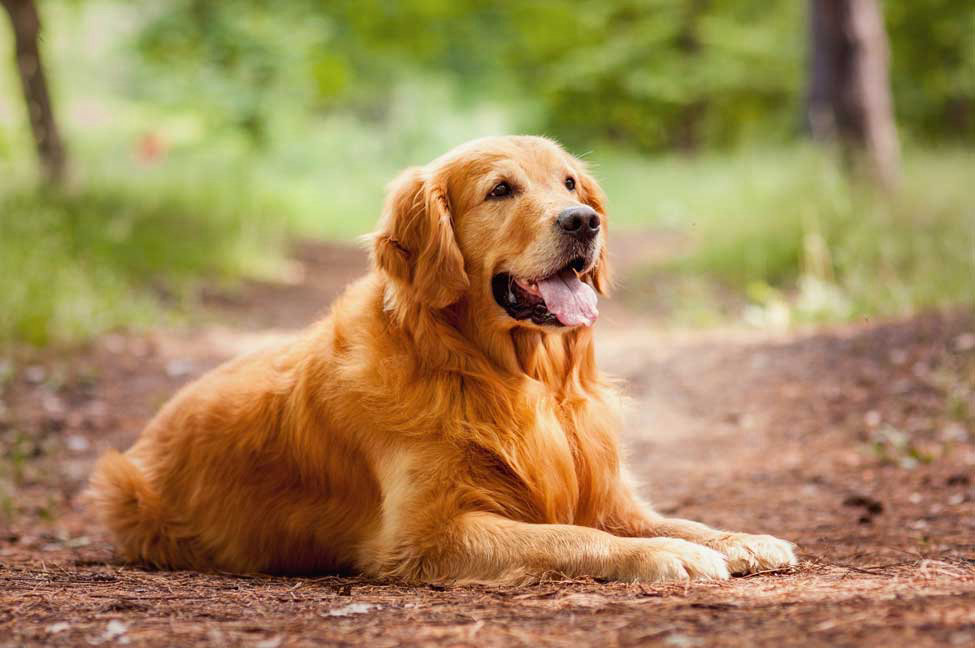
Most Popular Golden Retriever Names
Welcome to our comprehensive list of Golden Retriever dog names, curated from our vast database of Sniffspot users. Filter through hundreds of thousands of options by gender, breed, and state to discover the most adorable, original, and imaginative names for your beloved Golden Retriever.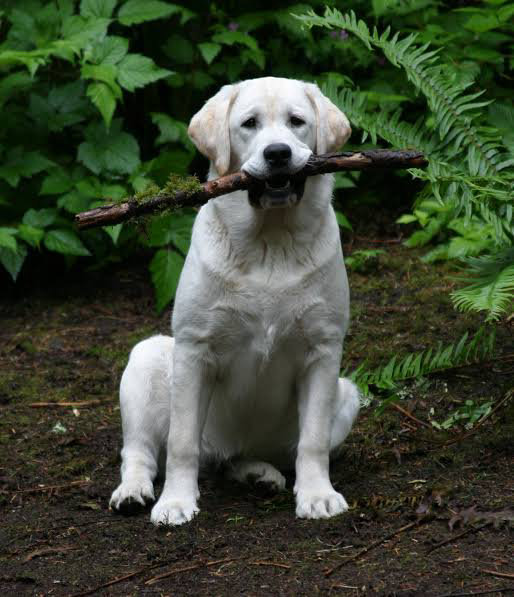
Most Popular Labrador Retriever Names
Welcome to our Labrador Retriever dog names page! Here you can browse through filterable lists of names for your beloved furry friend, ranging from cute and classic to unique and creative options. Our database of hundreds of thousands of Sniffspot users ensures you'll find the perfect name for your Labrador Retriever, whether you're seeking a name for a male or female, based on breed or state.


Top dog rescues in the US

The Best Washington Dog Rescues & Shelters in 2026
This list showcases the top dog rescues & shelters in Washington. These remarkable organizations have been recognized for their unwavering dedication to the well-being of countless dogs.
The Best Oregon Dog Rescues & Shelters in 2026
This list showcases the top dog rescues & shelters in Oregon. These remarkable organizations have been recognized for their unwavering dedication to the well-being of countless dogs.
The Best California Dog Rescues & Shelters in 2026
This list showcases the top dog rescues & shelters in California. These remarkable organizations have been recognized for their unwavering dedication to the well-being of countless dogs.
The Best Florida Dog Rescues & Shelters in 2026
This list showcases the top dog rescues & shelters in Florida. These remarkable organizations have been recognized for their unwavering dedication to the well-being of countless dogs.
The Best New York Dog Rescues & Shelters in 2026
This list showcases the top dog rescues & shelters in New York. These remarkable organizations have been recognized for their unwavering dedication to the well-being of countless dogs.